 Outdoor Debris Burning Opening Opens Oct. 1 for Bend's Surrounding Rural Area (Photo)
Bend Fire & Rescue - 09/30/26 12:48 PM
Outdoor debris burning will open at sunrise tomorrow, Thursday, Oct. 1 in the Deschutes County Rural Fire Protection District #2.
Central Oregon fire agencies work collaboratively to determine the best time to open burning based on weather and fire safety factors. Currently the region is in Moderate fire danger and with cooler temperatures and the precipitation we have seen, burning has been determined safe to conduct.
As a reminder, debris burning within Bend city limits remains permanently banned by City ordinance. Open fires are also prohibited on public land owned by City of Bend, Deschutes County or the Oregon Department of Transportation.
Campfires, recreational fires, warming fires and cooking fires are permitted within the city of Bend and the surrounding rural area if the proper safety precautions are followed.
If you choose to burn, Bend Fire & Rescue wants you to remember:
- Know if burning is allowed at your location. Debris burning regulations may vary between governmental jurisdictions within the Central Oregon area. Please contact your local fire agency for specific requirements and closures.
- Call before you burn. Weather conditions can change quickly and burning can be closed as needed. If you are within the rural area, please call 541-322-6335 before lighting a fire to ensure burning is open for the day.
- Obtain any permits needed for your outdoor fire. Large fires (greater than 6 feet in diameter), agricultural fires and special fires like bonfires or pit fires may need a permit.
- Follow all local burn regulations and have a copy on hand. Failure to comply with burning regulations may result in a citation and/or being reported to Department of Environmental Quality.
- Prep the area before you burn and have water and tools nearby. Maintain a 10-foot clearance around the fire and ensure water or a hose and tools are close in case of the fire escaping.
- Fully extinguish your fire when you are done and leaving the area. The ground needs to be cold to the touch to prevent unwanted rekindling of the fire.
Learn more about burn permits and regulations at bendoregon.gov/burninginfo.
541-322-6386, dderlacki@bendoregon.gov
Alternate Contact: Makayla Oliver, Communications Manager, Bend Fire & Rescue
moliver@bendoregon.gov, 541-797-3584
Pacific Power - 10/05/26 10:53 AM

FOR IMMEDIATE RELEASE
Media hotline: 503-813-6018
Give local, give twice: Pacific Power doubles donations to Oregon Energy Fund
Pacific Power will match customers' contributions 1-for-1, up to $72,000
PORTLAND, Ore. (October 5, 2026) — Pacific Power customers have a simple way to make a real difference close to home, and this year their gifts go twice as far. Pacific Power will match donations to the Oregon Energy Fund 1-for-1, up to $72,000, helping local families keep their homes powered and their budgets on track.
How to give:
-
By mail: If you get a paper bill, look for an Oregon Energy Fund envelope in your October bill.
-
Monthly on your bill: Sign up for the fixed donation program at PacificPower.net/Donate and give any amount, starting at $1 per month. Pacific Power matches these donations 1-for-1, too.
-
Online or by phone: Visit PacificPower.net/Donate or call 1-888-221-7070.
Donations may be tax-deductible and go directly to the Oregon Energy Fund, which confirms eligibility and distributes the funds. Every dollar stays in the donor's home county, supporting neighbors in their own community.
"When neighbors give, families across Oregon can focus on what matters most: putting food on the table, staying in their homes and caring for their kids," said Brian Allbritton, executive director of the Oregon Energy Fund. "Pacific Power's matching gift doubles that generosity, and its commitment to household stability reflects the compassion and collaboration that make our communities strong."
The generosity of Pacific Power, its customers and employees helped 2,601 Oregonians pay their energy bills last year, including 411 seniors, 418 people with disabilities and 869 children.
Pacific Power is also here to help customers directly. Anyone who wants support managing their bill can call 1-888-221-7070. Pacific Power representatives can set up a payment plan that fits their needs and connect them with local agencies that offer additional help.
###
About Oregon Energy Fund
Oregon Energy Fund is Oregon’s leading energy assistance nonprofit. Since 1989, OEF has helped more than 350,000 people pay their monthly energy bills in times of financial crisis. By connecting those in need with energy assistance services, OEF's programs provide a basic need that helps prevent hunger, debt, illness and homelessness, and gives our neighbors the support they need to lead healthy and productive lives.
About Pacific Power
Pacific Power provides safe and reliable electric service to more than 800,000 customers in Oregon, Washington and California. The company supplies customers with electricity from a diverse portfolio of generating plants including hydroelectric, natural gas, coal, wind, geothermal and solar resources. Pacific Power is part of PacifiCorp, one of the lowest-cost electricity producers in the United States, with more than 2 million customers in six western states. For more information, visit PacificPower.net.
Pacific Power - 10/05/26 10:38 AM
FOR IMMEDIATE RELEASE
Media hotline: 503-813-6018
Pacific Power triples the impact of energy assistance for Washington families
Company will add $2 for every $1 donated
YAKIMA, Wash. (Oct. 5, 2026) — Pacific Power customers have a simple way to make a real difference close to home, and this year every gift goes three times as far. Pacific Power will match every dollar donated to Project HELP or the Northwest Community Action Center with $2 more, up to $34,000, helping local families keep their homes powered and their budgets on track.
How to give:
-
By Mail: Customers who get paper bills will find a contribution envelope in their October bill.
-
Monthly on your bill: Sign up for the fixed donation program and give any amount, starting at $1 per month. Pacific Power matches these donations 2-for-1, too.
-
Online or by phone: Visit PacificPower.net/Donate or call 1-888-221-7070.
Donations may be tax-deductible and go directly to the local organization serving each community. Those organizations confirm eligibility and distribute the funds:
-
Project HELP, run by The Salvation Army, serves the Walla Walla, Yakima and Grandview areas.
-
Northwest Community Action Center serves the Toppenish and Sunnyside areas.
Every dollar stays in the donor's home county, supporting neighbors in their own community.
Pacific Power is also here to help customers directly. Anyone who wants support managing their bill can call 1-888-221-7070. Pacific Power representatives can set up a payment plan that fits their needs and connect them with local agencies that offer additional help.
###
About Pacific Power
Pacific Power provides safe and reliable electric service to more than 800,000 customers in Oregon, Washington and California. The company supplies customers with electricity from a diverse portfolio of generating plants including hydroelectric, natural gas, coal, wind, geothermal and solar resources. Pacific Power is part of PacifiCorp, one of the lowest-cost electricity producers in the United States, with over two million customers in six western states. For more information, visit PacificPower.net.
Pacific Power - 09/29/26 11:48 AM

FOR IMMEDIATE RELEASE
Media Hotline: 503-813-6018
Pacific Power Foundation awards $29,500 to Walla Walla and Yakima area organizations
WALLA WALLA AND YAKIMA, Wash. (September 29, 2026) — The Pacific Power Foundation is proud to support eight Washington organizations working to protect the environment and strengthen their communities.
Funding will help provide hands-on outdoor education for students, expand volunteer initiatives and support career training programs that create opportunities for the community.
“Across the region, these organizations are empowering their neighbors to learn new skills and care for the environment around them,” said Ryan Flynn, director of the Pacific Power Foundation and president of Pacific Power. “We are pleased to support this meaningful work and the positive impact it has on our communities.”
These funds were awarded through the Pacific Power Foundation’s Community Enhancement and Environmental Respect grant cycle. Organizations interested in applying for the Foundation’s next grant cycle, Safety and Wellness, may apply by December 15.
The following organizations in Washington received funding during this grant cycle:
- The Blue Mountain Community Foundation in Walla Walla received $4,000.
- Catholic Charities Serving Central Washington in Yakima received $4,000.
- Heartlinks in Yakima received $7,500.
- The Palouse Valley Community Center in Waitsburg received $1,500.
- Recovery Career Services in Yakima County received $1,500.
- Skyline Adventures in Dayton received $1,000.
- The STEM Bridge Center received $5,000.
- Yakima Valley Trolleys received $5,000.
###
About the Pacific Power Foundation:
The PacifiCorp Foundation, doing business as the Pacific Power Foundation in Oregon, Washington and California, is one of the largest utility-endowed foundations in the United States. The foundation was created by PacifiCorp, an energy company that serves over 2 million customers across a diverse six-state region as Rocky Mountain Power (Utah, Wyoming and Idaho) and as Pacific Power (Oregon, Washington and California). The foundation’s mission, through charitable investments, is to support the growth and vitality of the communities served by Rocky Mountain Power and Pacific Power. Since it started in 1988, the PacifiCorp Foundation has awarded more than $80 million to nonprofit organizations. For more information, visit PacificPower.net/Foundation.
Pacific Power - 09/29/26 10:01 AM
FOR IMMEDIATE RELEASE
Media Hotline: 503-813-6018
Pacific Power Foundation awards $7,500 to Eastern Oregon organizations
PENDLETON, Ore. (September 29, 2026) — The Pacific Power Foundation is proud to support five Eastern Oregon organizations working to protect the environment and strengthen their communities.
Funding will help provide hands-on outdoor education for students, expand volunteer initiatives and support career training programs that create opportunities for the community.
“Across Oregon, these organizations are empowering their neighbors to learn new skills and care for the environment around them,” said Ryan Flynn, director of the Pacific Power Foundation and president of Pacific Power. “We are pleased to support this meaningful work and the positive impact it has on our communities.”
These funds were awarded through the Pacific Power Foundation’s Community Enhancement and Environmental Respect grant cycle. Organizations interested in applying for the Foundation’s next grant cycle, Safety and Wellness, may apply by December 15.
The following organizations in Eastern Oregon received funding during this grant cycle:
- Building Healthy Families in Enterprise received $1,000.
- Safe Harbors in Enterprise received $1,000.
- The Sherman County Soil & Water Conservation District in Moro received $2,000.
- Sweet Potato’s Closet in Hermiston received $2,500.
- The Wallowa Valley Center for Wellness in Enterprise received $1,000.
###
About the Pacific Power Foundation:
The PacifiCorp Foundation, doing business as the Pacific Power Foundation in Oregon, Washington and California, is one of the largest utility-endowed foundations in the United States. The foundation was created by PacifiCorp, an energy company that serves over 2 million customers across a diverse six-state region as Rocky Mountain Power (Utah, Wyoming and Idaho) and as Pacific Power (Oregon, Washington and California). The foundation’s mission, through charitable investments, is to support the growth and vitality of the communities served by Rocky Mountain Power and Pacific Power. Since it started in 1988, the PacifiCorp Foundation has awarded more than $80 million to nonprofit organizations. For more information, visit PacificPower.net/Foundation.
Bureau of Land Management Ore. & Wash. - 10/02/26 10:37 AM
PRINEVILLE, Ore. – The Bureau of Land Management extends an invitation to apply for special recreation permits to provide non-motorized, river-related commercial outfitter and guide services, including fishing, and other recreation services on the eight-mile Chimney Rock Segment of the Lower Crooked Wild and Scenic River and 100 miles of the Lower Deschutes Wild and Scenic River. The applications will be accepted from October 1 – 30, 2026, and successful applicants would be able to start using their permit in the 2027 season.
“We see visitors coming from around the world to explore these beautiful rivers for a variety of reasons,” said Lisa Clark, Deschutes Field Manager. “Commercial guides can offer experiences like rafting, fishing, and paddleboarding for a range of audiences from youth to visitors requiring a more accessible opportunity in a safe, professional and sustainable manner.”
These Wild and Scenic Rivers are managed to ensure recreation use while protecting and enhancing the other outstandingly remarkable values like fisheries, wildlife and hydrology that prompted these rivers to be designated as Wild and Scenic. The number of available permits reflects this balance. This year interested individuals and companies will be applying for up to four new available Special Recreation Permits (SRPs) on the Lower Deschutes River. Up to two new SRPs will be awarded for the Lower Crooked River.
Application materials are available on the BLM Prineville website or by calling the Prineville District Office at 541-416-6700. Completed applications must be delivered to the BLM Prineville District, Deschutes Field Office, no later than 4:30 PM on Friday, Oct. 30, 2026. Separate applications are required for each river.
Submission Address:
BLM - Prineville District
Attn: Katie Gosses
3050 NE 3rd Street
Prineville, OR 97754
Applicants are urged to review the prospectus closely, as incomplete submissions will not be considered. For additional information, contact permit lead Katie Gosses at 458-287-1786.
-BLM-
The BLM manages about 245 million acres of public land located primarily in 12 western states, including Alaska, on behalf of the American people. The BLM also administers 700 million acres of sub-surface mineral estate throughout the nation. Our mission is to sustain the health, diversity, and productivity of America’s public lands for the use and enjoyment of present and future generations.
Bureau of Land Management Ore. & Wash. - 10/01/26 9:40 AM
Reducing the threat of wildfire and restoring public lands
PORTLAND, Ore. — The Bureau of Land Management and the U.S. Wildland Fire Service will begin prescribed burning operations throughout Oregon and Washington as weather, fuel, and air quality become favorable. Operations will continue throughout the fall and winter. These burns are carefully planned to reduce hazardous fuels, protect nearby communities, and restore native ecosystems. Information about specific upcoming and active burns is available online.
“Prescribed fire is one of our most effective tools for reducing wildfire risk and improving habitat,” said Josh O’Connor, Northwest Geographic Area Fire Chief for the U.S. Wildland Fire Service. “By carefully planning and executing these burns, we’re helping protect communities and strengthen the health of our public lands.”
Techniques range from broadcast burning, which is the application of fire to an entire area, to hand and machine pile ignitions. These burns focus on increasing safety in the Wildland-Urban Interface and restoring ecological function to the landscape. Targeting built-up fuels and residual materials from previous thinning operations decreases the load of dead trees, branches, and underbrush that pose significant wildfire risks.
What the public should know
- During prescribed burns, smoke may settle in low-lying areas overnight.
- Residents are encouraged to close windows at night to avoid smoke impacts.
- When driving in smoky areas, drivers should slow down and turn on headlights.
- People with heart or lung disease, asthma, or other chronic conditions, should ask their doctors about protecting themselves from smoke, and monitor their local air quality map.
All burns are carried out when weather, fuel conditions, and air quality are within prescribed parameters. Firefighters use a combination of natural features and constructed control lines to keep the fire contained, with protocols in place to minimize smoke impacts on nearby communities.
For more information, contact the BLM District Office or the U.S. Wildland Fire Service Geographic Area associated with the burn.
-BLM-
The BLM manages about 245 million acres of public land located primarily in 12 western states, including Alaska, on behalf of the American people. The BLM also administers 700 million acres of sub-surface mineral estate throughout the nation. Our mission is to sustain the health, diversity, and productivity of America’s public lands for the use and enjoyment of present and future generations.
The U.S. Wildland Fire Service conducts operations in close coordination with the Bureau of Land Management. As a unified federal entity under the Department of the Interior, the USWFS integrates expertise to streamline wildfire prevention, response and recovery under our shared mission to foster fire-resilient landscapes and safeguard communities across America’s public lands.
Ore. Department of Veterans' Affairs - 09/29/26 10:32 AM
The Oregon Department of Veterans’ Affairs invites Oregonians to join in honoring all veterans of the U.S. Armed Forces at the Statewide Veterans Day Ceremony at 11 a.m. Wednesday, Nov. 11, at the Oregon State Capitol State Park in Salem.
The annual ceremony will feature remarks from state leaders and special guests, along with traditional ceremonial elements honoring the service and sacrifice of Oregon veterans. Additional details will be announced in the coming weeks.
The ceremony will be held on the Capitol Mall, directly across Court Street from the front entrance of the Oregon State Capitol. The event is free and open to the public and will also be livestreamed on ODVA’s Facebook page at www.facebook.com/odvavet.
Statewide Veterans Day Events
ODVA also maintains a Statewide Veterans Day Events Calendar highlighting local observances and community celebrations throughout Oregon. To find an event near you, visit oregondva.com/event-calendar.
Organizations hosting Veterans Day events are encouraged to submit their event for inclusion on the calendar using the “Add Your Event” link on that page.
If you have any questions, please contact ODVA at (800) 692-9666 or visit www.oregon.gov/odva.
Established in 1945, the Oregon Department of Veterans’ Affairs is dedicated to serving Oregon’s diverse veteran community that spans five eras of service members. ODVA administers programs and provides special advocacy and assistance in accessing earned veteran benefits across the state. Learn about veteran benefits and services, or locate a local county or Tribal veteran service office online at oregon.gov/odva.
###
Ore. Dept. of Early Learning and Care - 10/01/26 1:07 PM
SALEM, ORE. – Today, Governor Kotek issued a statewide proclamation officially designating October as Head Start Awareness Month. The Department of Early Learning and Care (DELC) and the Oregon Head Start Association (OHSA) join communities across Oregon and the nation in honoring the enduring legacy and vital work of Head Start in the lives of young children, families, and early learning professionals.
“Head Start is more than a preschool program—it is a comprehensive support system for children and families,” said DELC Director Alyssa Chatterjee. “From early learning services to dental and vision screenings, to the wraparound resources that help families meet daily needs, Head Start ensures children enter school healthy, supported, and ready to succeed. Its impact reaches far beyond the classroom, strengthening families and opening doors for every child, regardless of zip code or circumstance.”
Since its launch in 1965, Head Start has nurtured hundreds of thousands of children in Oregon, strengthened family stability, and consistently demonstrated positive impact through comprehensive, community-centered, and family-driven services.
“During Head Start Awareness Month, we have an opportunity in Oregon to recognize the lasting impact of quality early education and family support,” said OHSA Executive Director Nancy Perin. “Head Start programs across our state work alongside families and communities to ensure children learn, grow, and succeed. We are grateful to the educators, staff, families, and community partners commitment to children and their futures.”
The Oregon Prenatal to Kindergarten (OPK) program, established in 1987 and modeled after Head Start, is administered by DELC and available across all 36 Oregon counties. OPK has expanded to support children from prenatal to age five, exceeding the federal investment in Head Start to help tens of thousands more children and their families statewide.
Throughout October, DELC and OHSA will celebrate Head Start Awareness Month by raising awareness of the essential role Head Start plays in Oregon. To find a head start center visit: Head Start Center Locator | ECLKC (hhs.gov). To learn more about Oregon Prenatal to Kindergarten/Head Start visit: https://www.oregon.gov/delc/programs/Pages/head-start-opk.aspx.
About the Oregon Department of Early Learning and Care
The Department of Early Learning and Care’s mission is to foster coordinated, culturally appropriate, and family-centered services that recognize and respect the strengths and needs of all children, families, and early learning and care professionals. More information about DELC is available at Oregon.gov/DELC. You can also connect with DELC on Facebook or sign up for news alerts and updates.
Versión en Español
1 de octubre
Contacto para medios: delc.media@delc.oregon.gov
Celebrando el legado e impacto de Head Start en Oregón
La gobernadora Kotek proclama octubre el Mes de Concientización sobre Head Start
SALEM, ORE. – Hoy, la gobernadora Kotek emitió una proclamación designando oficialmente octubre como el Mes de Concientización sobre Head Start. La Gobernadora y el Departamento de Aprendizaje y Cuidado Temprano (DELC, por sus siglas en inglés) se unen a comunidades alrededor de Oregón y del país para honrar el legado y el trabajo vital de Head Start en la vida de niños pequeños, familias, y profesionales del aprendizaje temprano.
"Head Start es más que un programa preescolar: es un sistema integral de apoyo para niños y familias", dijo la directora de DELC, Alyssa Chatterjee. "Desde servicios de aprendizaje temprano hasta exámenes dentales y de visión, pasando por los recursos integrales que ayudan a las familias a cubrir sus necesidades diarias, Head Start asegura que los niños entren a la escuela sanos, apoyados, y listos para tener éxito. Su impacto va mucho más allá del aula, fortaleciendo a las familias y abriendo puertas para cada niño, sin importar el código postal o las circunstancias."
Desde su inicio en 1965, Head Start ha apoyado el crecimiento de cientos de miles de niños en Oregón, fortalecido la estabilidad familiar, y demostrado consistentemente un impacto positivo a través de servicios integrales, centrados en la comunidad y orientados a la familia.
"Durante el Mes de Concientización de Head Start, tenemos la oportunidad en Oregón de reconocer el impacto duradero de la educación temprana de calidad y el apoyo familiar", dijo Nancy Perin, directora ejecutiva de OHSA. "Los programas Head Start en todo nuestro estado trabajan junto a familias y comunidades para asegurar que los niños aprendan, crezcan y tengan éxito. Estamos agradecidos con el compromiso de los educadores, el personal, las familias y los socios comunitarios con los niños y su futuro."
El programa de Prenatal a Kínder de Oregón (OPK), establecido en 1987 y basado en Head Start, es administrado por DELC y está disponible en los 36 condados de Oregón. OPK se ha expandido para apoyar a niños desde etapa prenatal hasta los cinco años, superando la inversión federal en Head Start para ayudar a decenas de miles de niños más y sus familias en todo el estado.
Durante octubre, DELC celebrará el Mes de Concientización sobre Head Start dando mayor visibilidad al papel esencial que desempeña Head Start en Oregón. Para ubicar un programa de Head Start visite: Head Start Center Locator | ECLKC (hhs.gov). Para saber más sobre Oregon Prenatal a Kínder/Head Start visite: https://www.oregon.gov/delc/programs/Pages/head-start-opk.aspx.
Acerca del Departamento de Aprendizaje y Cuidado Temprano de Oregón
La misión del Departamento de Aprendizaje y Cuidado Temprano es fomentar servicios coordinados, culturalmente apropiados, y centrados en la familia que reconozcan y respeten las fortalezas y necesidades de todos los niños, las familias, y los profesionales del aprendizaje y cuidado temprano. Para obtener más información sobre la agencia, visite Oregon.gov/DELC. También puede conectarse con la agencia en Facebook o inscribirse para recibir noticias y actualizaciones.
Ore. Dept. of Public Safety Standards and Training - 10/02/26 4:33 PM
DPSST Wildland Fire Certification Task Force
MEETING SCHEDULED
For Immediate Release
October 2, 2026
Contact: Brooke Bell-Uribe
(503) 569-8260
Notice of Regular Meeting
The Department of Public Safety Standards and Training Wildland Fire Certification Task Force will hold a regular meeting at 0900 on October 5, 2026. The meeting will be held virtually and recorded to be posted after. Any requests should be made before the meeting by calling Brooke Bell-Uribe at 503-569-8260 or rooke.bell-uribe@dpsst.oregon.gov">Brooke.bell-uribe@dpsst.oregon.gov.
Agenda Items:
- Meeting called to order at 0900
- Staff and Task Force Member Introductions
- Task Force Process
- Review and Discussion of Task Force and Staff Identified Memo Topics
- Firefighter Type 1 Task Book – Task #13: Coordinate Aerial Resources
- The Work Capacity Test (Pack Test)
- Expiration timelines for training used toward certification
- Gap classes (G‑131, G‑231)
- Specific requirements listed on the certification application
- Maintaining wildland certifications
- Availability of an NWCG representative for Task Force and Fire Policy Committee meetings
- Updates to Single Resource Boss Training Requirements
- Review Staff Recommendations and Action Items:
- Meeting Minutes (Consensus)
- NWCG Standard (Vote)
- Work Capacity Test & Oregon Administrative Rule (Vote)
- Maintaining Currency & Oregon Administrative Rule (Vote)
- Review and Confirm Previously Discussed Topics:
- New Levels of Certification (Consensus)
- Task Books (Consensus)
- Application(s) for Certification (Consensus)
- Guide to Certification (Consensus)
- Next Steps and Conclusion of Meeting
Administrative Announcement
This is a public meeting, subject to the public meeting law and it will be recorded. Deliberation of issues will only be conducted by the Wildland Fire Certification Task Force members unless permitted by the Chair. Individuals who engage in disruptive behavior that impedes official business will be asked to stop being disruptive or leave the meeting. Additional measures may be taken to have disruptive individuals removed if their continued presence poses a safety risk to the other persons in the room or makes it impossible to continue the meeting.
Department of Public Safety Standards and Training
Phone: (503) 569-8260
E-Mail: Brooke.BELL-URIBE@dpsst.oregon.gov
Ore. Dept. of Public Safety Standards and Training - 10/02/26 8:16 AM
EXECUTIVE COMMITTEE OF THE
BOARD ON PUBLIC SAFETY STANDARDS AND TRAINING
MEETING SCHEDULED
Notice of Scheduled Meeting
The Executive Committee of the Board on Public Safety Standards and Training will hold a meeting at 2:00 p.m. on October 5, 2026, at the Department of Public Safety Standards and Training located at 4190 Aumsville Hwy SE, Salem, Oregon. For further information, please contact Juan Lopez at (503) 551-3167 or juan.lopez-hernandez@dpsst.oregon.gov.
Agenda Items:
1. Introductions
2. Executive Session
The Executive Committee will hold an executive session to consider attorney-client privileged information. The executive session is being held pursuant to ORS 192.660(2)(f). This session is closed to the public.
General Session
3. Nicholas Alberts, DPSST No. 58569; Multnomah County Sheriff’s Office
Administrative Announcement
This is a public meeting subject to the public meeting laws and will be recorded.
Department of Public Safety Standards and Training
Phone: 971-718-2321
E-Mail: shelby.alexander@dpsst.oregon.gov
Ore. Dept. of Public Safety Standards and Training - 10/02/26 8:13 AM
CORRECTIONS POLICY COMMITTEE
SPECIAL MEETING SCHEDULED
Notice of Special Meeting
The Corrections Policy Committee of the Board on Public Safety Standards and Training will hold a special meeting at 10:00 a.m. on October 5, 2026, at the Department of Public Safety Standards and Training located at 4190 Aumsville Hwy SE, Salem, Oregon. For further information, please contact Juan Lopez at (503) 551-3167 or juan.lopez-hernandez@dpsst.oregon.gov.
The meeting will be livestreamed on the DPSST YouTube page: https://www.youtube.com/@DPSST.
Agenda Items:
1. Introductions
2. Executive Session
The Corrections Policy Committee will hold an executive session to consider attorney-client privileged information. The executive session is being held pursuant to ORS 192.660(2)(f). This session is closed to the public.
General Session
3. Nicholas Alberts, DPSST No. 58569; Multnomah County Sheriff’s Office
Administrative Announcement
This is a public meeting, subject to the public meeting law and it will be recorded. Deliberation of issues will only be conducted by Corrections Policy Committee members unless permitted by the Chair. Individuals who engage in disruptive behavior that impedes official business will be asked to stop being disruptive or leave the meeting. Additional measures may be taken to have disruptive individuals removed if their continued presence poses a safety risk to the other persons in the room or makes it impossible to continue the meeting.
DPSST provides reasonable accommodations to ensure equal access for people with disabilities and those with limited English proficiency. To request a sign language interpreter, translation services, or other accommodations, please contact Juan Lopez at (503) 551-3167 or at nandez@dpsst.oregon.gov">juan.lopez-hernandez@dpsst.oregon.gov, at least 48 hours before the meeting.
DPSST proporciona acomodaciones rasonables para asegurar el acceso igual para personas con descapacidades y para personas con competencia limitada de inglés. Para pedir un interprete de lengua de señas, servicios de traducción, u otras acomodaciones, por favor de contactar a Juan Lopez marcando al (503) 551-3167, o a nandez@dpsst.oregon.gov">juan.lopez-hernandez@dpsst.oregon.gov, al menos de 48 horas antes de la reunión.
Department of Public Safety Standards and Training
Phone: 971-718-2321
E-Mail: shelby.alexander@dpsst.oregon.gov
Oregon Department of Emergency Management (OEM) - 09/30/26 1:36 PM
The Oregon Department of Emergency Management (OEM) invites members of the media to a special Media Day tour of the Emergency Coordination Center (ECC) during the 2026 state-level exercise (SLE), Getting Through Lahar’d Times, which will be focused on exercising the newly adopted Oregon Disaster Recovery Plan.
Media Day Details
Date: Wednesday, October 14
Time: 1:00 p.m. – 2:00 p.m.
Location: Emergency Coordination Center (ECC), 3930 Fairview Industrial Drive SE, Salem, OR 97302 View on Map
Space is limited. Please click here to RSVP at your earliest convenience.
This guided tour will offer a behind-the-scenes look at the ECC in action during the Lahar'd Times exercise. Media will have the opportunity to see how Oregon coordinates response and recovery efforts during a large-scale volcanic event, including interagency communication, resource management and operational decision-making.
The 2026 state-level exercise is designed to advance Oregon’s established preparedness priorities outlined in the 2025 Integrated Preparedness Plan (IPP). These exercises help emergency management partners statewide assess progress toward key preparedness goals in a realistic, scenario-based environment.
We look forward to hosting you and providing an inside look at Oregon’s preparedness and response capabilities.
It is the mission of the Oregon Department of Emergency Management (OEM) to lead collaborative, statewide efforts to support Oregon’s communities before, during and after emergencies, with a vision to create a ready and resilient Oregon. OEM prioritizes an equitable and inclusive culture of preparedness that empowers all Oregonians to thrive in times in crisis. For more information about OEM, visit oregon.gov/oem. You can get this document in other languages, large print, braille, or a format you prefer. For assistance, email OEM_PublicInfo@oem.oregon.gov. We accept all relay calls, or you can dial 711.
Oregon Dept. of Consumer & Business Services - 09/29/26 4:30 PM
Oregon Dept. of Forestry - 10/01/26 2:43 PM
SALEM, Ore. — The Regional Forest Practice Committee for eastern Oregon will meet at 10:30 a.m. on Thursday, Oct. 8 at the ODF Office, 611 20th St., La Grande. To join virtually, please use the Teams video conference information found on the agenda. To provide public comment, please email estresources.committees@odf.oregon.gov">forestresources.committees@odf.oregon.gov.
The committee’s agenda includes:
- Division and field updates
- Compliance monitoring update
- Forest Practices Act training update
- Operator of the Year
- Workplan development
- Technical guidance development
The public may attend in-person or online via Teams. Public comments will be accepted. Accommodations for people with disabilities, and special materials, services, or assistance can be arranged by calling at least 48 hours in advance of the meeting at 503-945-7200 or by email at estresources.committees@odf.oregon.gov">forestresources.committees@odf.oregon.gov.
Regional Forest Practices Committees are panels of citizens – mandated under Oregon law – that advise the Oregon Board of Forestry and may assist the Board of Forestry in developing appropriate forest practice rules. The committees are comprised of citizens qualified by education or experience in natural resource management. In 1971, the legislature enacted Oregon’s Forest Practices Act which includes three Regional Forest Practices Committees, serving the Eastern, Northwest, and Southwest regions of the state. Under Oregon law, a majority of the committees’ members must be private forest landowners and logging or forest operations companies.
Oregon’s forests are among the state’s most valued resources, providing a balanced mix of environmental, economic, and social benefits. View more information on the RFPC webpage.
Oregon Dept. of Human Services - 10/05/26 1:28 PM
SALEM, OR ̵ A new home-care option is being introduced for adults who qualify for Medicaid-funded in-home services and supports.
The new option, called Agency with Choice, was created by Oregon House Bill 4129. It is for people who are eligible for Medicaid long-term services and supports through the Oregon Department of Human Services (ODHS) and Oregon Health Authority (OHA).
Agency with Choice provides help with managing the recruitment, required training, scheduling, and supervision of an in-home care provider including supporting individuals with their back-up care needs. Agency with Choice is one of several in-home care options now available for people eligible for Home and Community Based Services through the ODHS Office of Aging and People with Disabilities (APD). It is also available to individuals served through OHA Behavioral Health Division’s Home and Community Based Services.
“Agency with Choice builds on Oregon’s commitment to honoring the preferences of older adults and people with disabilities,” said APD Director Nakeshia Knight, Ph.D. “It joins a broad continuum of long‑term care options designed to help people receive the right level of support in the way that works best for them.”
APD’s Agency with Choice program is for individuals who:
- Are age 60 or older;
- Are age 18 and older with a disability;
- Qualify for Medicaid long-term services and supports through APD; and
- Choose to receive these services and supports in their own home.
Individuals who are currently eligible for these services received a letter from APD describing the new option. There are no changes being made to other in-home care options.
OHA’s Agency with Choice option is available to individuals with mental health conditions who are eligible for Medicaid-funded in-home personal care services. Individuals of all ages can enroll in Agency with Choice if they are eligible for personal care services through the State Plan Personal Care program. Individuals age 21 and older may also enroll in Agency with Choice if they get services through the 1915(i) Home and Community Based Services (HCBS) program.
To qualify for 1915(i) HCBS, individuals must:
- Be age 21 or older;
- Have a current diagnosis of a Serious Mental Illness (SMI) as defined in OAR 410-173-0005;
- Have the need for help in at least two instrumental Activities of Daily Living; and
- Require the provision of one or more 1915(i) services at least monthly.
As directed by HB 4129, APD and OHA provide Agency with Choice through a contractor. GT Independence was selected through a competitive process managed by OregonBuys to provide Agency with Choice in Oregon.
Links to online and other resources for more information
- Read an online flyer about Agency with Choice offered through APD and find it in other languages on this ODHS web page.
- Learn about APD long-term services and supports care options on the ODHS website. Explore in-home options for receiving Medicaid long-term services and supports.
- Learn about 1915(i) HCBS, including OHA’s mental health residential and personal care services in the home on the 1915(i) HCBS website. Oregonians who may qualify and have questions should contact OHA’s 1915(i) Policy Unit at 1915i.MedicaidPolicy@odhsoha.oregon.gov.
- Inquire about a referral or assessment for mental health personal care for State Plan Personal Care or 1915(i) HCBS at Comagine Health at hpcasupport@comagine.org">bhpcasupport@comagine.org.
- Learn more about GT Independence on the company’s website and its Oregon services website.
- Contact a local office serving older adults and people with disabilities using the ODHS office locator tool.
- Learn about other help available for older adults and people with disabilities by visiting the Aging and Disability Resource Connection of Oregon’s website.
Oregon Dept. of Human Services - 10/05/26 9:41 AM
(Salem) – The Oregon Department of Human Services (ODHS), Child Welfare Division, is thankful for the community support to find Miley and Lilly Hunt.
Sometimes when a child is missing, they may be in significant danger and ODHS may need to locate them to assess and support their safety. As ODHS works to do everything it can to find these missing children and assess their safety, media alerts will be issued in some circumstances. Sometimes, in these situations, a child may go missing repeatedly, resulting in more than one media alert for the same child.
Report suspected child abuse to the Oregon Child Abuse Hotline by calling 1-855-503-SAFE (7233). This toll-free number allows you to report abuse of any child or adult to the Oregon Department of Human Services, 24 hours a day, seven days a week and 365 days a year.
ODHS-Media@odhs.oregon.gov
Oregon Dept. of Human Services - 10/02/26 7:01 PM
(Salem) – The Oregon Department of Human Services (ODHS), Child Welfare Division, asks the public to help find Lilly Hunt, age 10, and Miley L Hunt, age 8, who went missing from Eugene, OR on Oct. 2, 2026. They are believed to be in danger.
ODHS asks the public for help in the effort to find the children and to contact 911 or local law enforcement if they believe they see them. Lilly and Miley are suspected to be in the Eugene/Springfield area.
Sometimes when a child is missing, they may be in significant danger and ODHS may need to locate them to assess and support their safety. As ODHS works to do everything it can to find these missing children and assess their safety, media alerts will be issued in some circumstances. Sometimes, in these situations, a child may go missing repeatedly, resulting in more than one media alert for the same child.
Due to privacy and confidentiality laws (ORS 409.225 and 419B.035) the Oregon Department of Human Services is unable to provide additional details.
Report suspected child abuse to the Oregon Child Abuse Hotline by calling 1-855-503-SAFE (7233). This toll-free number allows you to report abuse of any child or adult to the Oregon Department of Human Services, 24 hours a day, seven days a week and 365 days a year.
Child Legal Name: Lilly Hunt
Child Preferred Name: Lilly Hunt
Age: 10
Height: 4 feet, 8 inches
Weight: 70 pounds
Hair color: brown
Eye color: brown
Specific Identifying Characteristics: NA
Law enforcement agency name and report #: EPD 26-15786
National Center for Missing and Exploited Children (NCMEC) Report #: 2103578
Date Missing: Oct. 2, 2026
Suspected and/or frequented location(s): Eugene/Springfield, OR
Child Legal Name: Miley Hunt
Child Preferred Name: Miley
Age: 8
Height: 4 feet
Weight: 40 pounds
Hair color: brown
Eye color: brown
Specific Identifying Characteristics: NA
Law enforcement agency name and report #: EPD 26-15786
National Center for Missing and Exploited Children (NCMEC) Report #: 2103578
Date Missing: Oct. 2, 2026
Suspected and/or frequented location(s): Eugene/Springfield, OR
Oregon Dept. of Human Services - 10/02/26 3:43 PM
(Salem) – The Oregon Department of Human Services (ODHS), Child Welfare Division, asks the public to help find Amani Turner, age 15, who went missing from Oregon City on Sept. 28. They are believed to be in danger.
ODHS asks the public for help in the effort to find Amani Turner and to contact 911 or local law enforcement if they believe they see Amani.
Amani Turner is suspected to be in North Portland area
Sometimes when a child is missing, they may be in significant danger and ODHS may need to locate them to assess and support their safety. As ODHS works to do everything it can to find these missing children and assess their safety, media alerts will be issued in some circumstances. Sometimes, in these situations, a child may go missing repeatedly, resulting in more than one media alert for the same child.
Due to privacy and confidentiality laws (ORS 409.225 and 419B.035) the Oregon Department of Human Services is unable to provide additional details.
Report suspected child abuse to the Oregon Child Abuse Hotline by calling 1-855-503-SAFE (7233). This toll-free number allows you to report abuse of any child or adult to the Oregon Department of Human Services, 24 hours a day, seven days a week and 365 days a year.
Child Legal Name: Amani Turner
Child Preferred Name: Amani
Pronouns: she/her
Age: 15
Height: 5-foot-9
Weight: 230 pounds
Hair color: Black/brown
Eye color: Brown
Oregon City Police report #26-019172
National Center for Missing and Exploited Children (NCMEC) Report #: 2103035
Date Missing: 9/28/2026
Suspected and/or frequented location(s): North Portland
Oregon Dept. of Human Services - 09/30/26 9:56 AM
Media resources
Instead of conducting individual interviews for this announcement, ODHS will host a virtual media availability on Wednesday, Sept. 30, from 1:30 to 1:50 p.m. Members of the media will have an opportunity to ask questions about SNAP work or activity rules and exemptions for college students. RSVP for the media availability by emailing Sara Campos at a.k.campos@odhs.oregon.gov">sara.k.campos@odhs.oregon.gov.
An statement from the ODHS interim Oregon Eligibility Partnership Director will be available after the event: https://vimeo.com/showcase/12330638
A Spanish-language video summarizing the key messages will also be available on Vimeo. Spanish-language media may request interviews or submit questions in Spanish by contacting Adriana Taylor at ma.A.Taylor@odhs.oregon.gov">Irma.A.Taylor@odhs.oregon.gov.
SALEM, Ore. — As students return to colleges and universities across Oregon this fall, the Oregon Department of Human Services (ODHS) is reminding students about the Supplemental Nutrition Assistance Program (SNAP).
SNAP can help eligible students afford groceries while they pursue their education. Eligibility rules for students can be complicated, and students should not assume they do not qualify. Help is available from ODHS to understand the rules and apply.
Student eligibility
SNAP has special rules for students ages 18 through 49 who attend an institution of higher education at least half time (as defined by their school). These students are referred to as “students of higher education.” To be eligible for SNAP, students of higher education must meet at least one exemption.
Exemptions for students of higher education
In addition to regular SNAP rules, students of higher education are required to meet at least one student exemption to qualify for SNAP. The exemptions include students who:
- Participate in a state or federally funded work-study program.
- Work for pay an average of at least 20 hours per week.
- Are responsible for the care of a young child or meet certain requirements as a parent attending school.
- Receive Temporary Assistance for Needy Families (TANF) or unemployment benefits.
- Participate in certain employment and training programs, including SNAP Employment and Training or qualifying Workforce Innovation and Opportunity Act programs.
- Are enrolled in an undergraduate course of study intended to be completed in four years or less that leads to employment. This can include students beginning at a community college and planning to transfer to complete a bachelor’s degree.
Other exemptions may also apply depending on a student’s circumstances.
“Students are working hard to build skills, complete their education and prepare for their future careers,” said Jessica Amaya Hoffman, interim director of the ODHS Oregon Eligibility Program. “SNAP can help eligible students afford food while they pursue those goals. The eligibility rules can be complicated, so we encourage students who need help to reach out rather than assume they don’t qualify.”
Benefits Navigators can help students find support
Students at Oregon’s public colleges and universities can also connect with a Benefits Navigator for help identifying resources that may support their basic needs.
Oregon funds a Benefits Navigator at every public college and university. Navigators work alongside students to understand their needs, develop strategies and connect them with campus, community, state and federal resources.
During the 2025–26 school year, Benefits Navigators served more than 30,000 students statewide and made more than 45,000 referrals to campus and community resources.
Work or activity rules
The SNAP rules for students of higher education are different from the federal work requirements for adults who are required to follow Able-Bodied Adults Without Dependents (ABAWD) work rules. ABAWD work rules apply to people who are 18 through 64 and do not receive SNAP with children under the age of 14.
Students of any kind (including higher education) enrolled in school at least half time are exempt from the ABAWD work requirements. However, students of higher education must first meet a student exemption to receive benefits.
Because several rules can affect eligibility, ODHS encourages students to ask for help rather than assume they do not qualify.
How to get help
Students interested in SNAP can:
- Contact a Benefits Navigator at their college or university
- Apply or manage benefits online at benefits.oregon.gov.
- Call the ONE Customer Service Center at 800-699-9075.
- Visit an ODHS office: https://www.oregon.gov/odhs/pages/office-finder.aspx
- Learn more at Partners for a Hunger-Free Oregon: https://oregonhunger.org/snap-for-students/
If a student was previously denied SNAP because they did not meet the higher education student eligibility requirements, they can reapply if their student status or circumstances have changed.
New Oregon SNAP data webpage
ODHS has launched a new Oregon SNAP data webpage to make current SNAP participation data easier to find. The page includes monthly statewide and county-level data on the number of people and households receiving SNAP in Oregon.
The page will be updated regularly to provide partners, media, public officials and the public with a single source for current, verified SNAP caseload data.
Learn more at Oregon SNAP data: https://www.oregon.gov/odhs/data/Pages/snap-data.aspx
Oregon Dept. of Human Services - 09/29/26 4:20 PM
ODHS will host a virtual media availability on Wednesday, Sept. 30, from 1:30 to 1:50 p.m. to share information about SNAP eligibility for higher education students, including work or activity rules and exemptions.
A news release with more details will be issued Wednesday morning.
Members of the media will have an opportunity to ask questions. Instead of conducting individual interviews for this announcement, ODHS is encouraging reporters interested in the topic to attend the media availability.
To RSVP and receive the meeting link, please email a.k.campos@odhs.oregon.gov">sara.k.campos@odhs.oregon.gov.
A recorded statement from the ODHS interim Oregon Eligibility Partnership Director and a Spanish-language video summarizing the key messages will be available after the event on Vimeo. Spanish-language media may request interviews or submit questions in Spanish by contacting Adriana Taylor at ma.A.Taylor@odhs.oregon.gov">Irma.A.Taylor@odhs.oregon.gov.
Oregon Dept. of Human Services - 09/29/26 3:15 PM
The Oregon Department of Human Services (ODHS) wants families who received Summer Electronic Benefits Transfer (Summer EBT) to know that they have 122 days to use the funds before they expire.
Eligible families receive $120 in benefits per child for meals. For families who automatically received Summer EBT on June 5, 2026, their benefits will expire on Oct. 04, 2026. Families who applied for benefits this year may have received benefits after June 5, 2026. Any unused EBT benefits will expire 122 days from the date they were originally issued.
Families can use Summer EBT to buy eligible food at participating grocery stores, farmers markets, community supported agriculture farms, and farm stands.
Double Up Food Bucks stretches Summer EBT benefits
Families can also stretch their food budget with the Double Up Food Bucks program.
Families receive $2 worth of Double Up Food Bucks coupons for every $2 of Summer EBT benefits spent on fresh fruits and vegetables.
For example, a family who spends $20 in Summer EBT benefits at a participating farmers market can receive $20 in Double Up Food Bucks coupons to buy more eligible fruits and vegetables.
Families are encouraged to check their Summer EBT balance and use their benefits before they expire.
Oregon’s Summer EBT program is administered by ODHS and the Oregon Department of Education (ODE). The program served about 350,000 children this year.
Other reminders for families
-
Keep the Oregon EBT card: Summer EBT will be back in 2027. Families should keep their card to get benefits faster next year.
-
Help with questions is available: Anyone with questions about Summer EBT may send an email to ebtinfo@odhs.oregon.gov" rel="noreferrer noopener" style="margin: 0px; padding: 0px; user-select: text; -webkit-user-drag: none; -webkit-tap-highlight-color: transparent; text-decoration: none;" target="_blank">summerebtinfo@odhs.oregon.gov. The Summer EBT call center closed for the year as of 5 p.m. on Friday, Sept. 25, 2026.
-
Apply for 2027 benefits: Families may apply at any time for Summer EBT benefits using a paper application. Paper applications are available in 10 languages. Email your paper application to ebtinfo@odhs.oregon.gov" rel="noreferrer noopener" style="margin: 0px; padding: 0px; user-select: text; -webkit-user-drag: none; -webkit-tap-highlight-color: transparent; text-decoration: none;" target="_blank">summerebtinfo@odhs.oregon.gov
Learn more
Visit sebt.oregon.gov for more information about Summer EBT.
Visit Double Up Food Bucks to find participating locations and learn more about the program.
Watch our video about Double Up Food Bucks.
DHSCommunicationsOfficers@odhsoha.oregon.gov
Oregon Dept. of Revenue - 10/01/26 8:32 AM
But with just two weeks before the tax filing extension deadline October 15, as many as 100,000 Oregonians are expected to sneak in under the wire.
“Every year we receive a large number of returns filed in the last two weeks before the extension deadline. If you forget and file after the extension deadline, you could be subject to additional penalties,” said Megan Denison, Personal Tax and Compliance Division administrator with the Oregon Department of Revenue.
“Our best advice for taxpayers is to get their returns in as soon as possible.”
In addition to filing sooner rather than later, the department offers the following information for taxpayers who still need to file their state return.
You must file a return to get your kicker
In 2026, Oregon is returning $1.41 billion in revenue above projections to taxpayers in the form of a “kicker” tax credit. The kicker is a refundable credit that will either increase a taxpayer's Oregon state income tax refund or decrease the amount of state taxes they owe. It is not sent to taxpayers separately as a check.
Only taxpayers who filed a tax year 2024 return and also file a tax year 2025 return can receive a kicker. Taxpayers can determine the amount of their kicker using the What’s My Kicker? calculator available on Revenue Online.
File electronically.
E-filing is the fastest way for taxpayers to get their tax refund. Nearly 96 percent of those who have already filed this year, have filed electronically. On average, taxpayers who e-file their returns and request their refund via direct deposit receive their refund sooner than those who file paper returns and request paper refund checks. Taxpayers should file just once. Sending a paper return through the mail after e-filing will delay a refund.
Free filing options
Taxpayers can use Free Fillable Forms to file their federal return and then use Direct File Oregon to file their Oregon personal income tax return directly with the state through Revenue Online. Other free electronic filing options are available for taxpayers that meet income requirements. Using links from the department’s website ensures that both taxpayers’ federal and state return will be filed for free.
Public computer kiosks for filing taxes with Direct File Oregon and free fillable forms are available in department regional offices in Bend, Eugene, Gresham, Medford, and Portland.
Information about all available free tax preparation software options is available on the Revenue website, along with a list of organizations providing free assistance.
Where’s my refund?
Taxpayers can check the status of their Oregon state income tax refund using Revenue’s Where’s My Refund? tool. The Department recommends logging in to your Revenue Online account to access enhanced tool features.
Taxpayers who don’t already have a Revenue Online account can create one by following the Revenue Online link on the department’s website.
Filing last-minute paper returns
Due to changes to US Postal Service processes in recent years, taxpayers dropping paper returns into a US Postal Service mailbox at this late date can’t be certain that their returns will be postmarked by the due date.
Taxpayers who want to mail their return can take their return to a USPS office during regular business hours no later than October 15, 2026 and make an in-person request to have their return manually postmarked at the counter before mailing it.
After hours, paper Oregon personal income tax returns can be deposited in drop boxes available on both the east and west sides of the Salem office; on the west side of the Portland State Office Building; or outside the DOR offices in Eugene, Medford, and Bend. A drop box inside DOR’s Gresham office is available during business hours.
The department doesn’t recommend using the state drop boxes for federal returns. Paper federal returns should be sent to the IRS. Federal returns dropped in the DOR drop boxes are date stamped and forwarded to the IRS, but the Department of Revenue can’t guarantee that the IRS will accept them as having been filed on time.
Visit www.oregon.gov/dor to get tax forms, see a list of approved tax preparation software products, check the status of your refund, or make tax payments. For questions not answered on our website, call 800-356-4222 toll-free (English or Spanish) or 503-378-4988 or email questions.dor@dor.oregon.gov. For TTY (hearing or speech impaired), we accept all relay calls. Due to the number of calls Revenue receives during tax season, you may experience extended wait times.
Oregon Dept. of Revenue - 09/29/26 7:56 AM
PORTLAND, Oregon—The Oregon Department of Revenue’s Portland and Gresham regional offices will be closed Tuesday, October 6, 2026 for staff training.
A secure drop box is available for taxpayers to deliver any necessary payments or documents. Office staff will mail receipts directly to customers.
The offices in Portland, 800 NE Oregon Street, Suite 505, and Gresham, 1550 NW Eastman Parkway, Suite 220, will return to normal business hours, 8 a.m. to 5 p.m., on Wednesday, October 7, 2026.
Additionally, district offices in Bend, Medford, and Eugene and the department’s main office in Salem will also be closed October 6, 2026.
Agency contact centers for most general inquiries will also be closed on October 6, 2026; though contact centers handling debt collection or payroll and withholding inquiries will remain open.
The Department of Revenue continues to expand features available through Revenue Online. Individuals can view letters sent to them by the department, initiate appeals, make payments, and submit questions. Visit Revenue Online to learn more.
To get tax forms, check the status of your refund, or make payments, visit www.oregon.gov/dor or email questions.dor@dor.oregon.gov.
Oregon Health Authority - 10/05/26 1:06 PM
October 5, 2026
Media contact: Jonathan Modie, PHD.Communications@oha.oregon.gov
Oregon to begin enrollment in nationwide newborn genomic screening research study
Recruitment to take place at PeaceHealth-Eugene and Oregon Health & Science University, along with statewide outreach
PORTLAND, Ore.—The Northwest Regional Newborn Bloodspot Screening (NWRNBS) Program and BRIDGES-NBS today announced enrollment will begin soon for a national research study evaluating whether genome sequencing can be responsibly added to routine newborn screening.
Recruitment in Oregon, one of seven participating states and territories, will take place through in-person outreach at PeaceHealth-Eugene and Oregon Health & Science University (OHSU). In addition, families across the state can learn about the study and choose to self-enroll.
“Partnership with BRIDGES-NBS will allow the Northwest Regional Newborn Bloodspot Screening Program to explore a new method for identifying hundreds of genetic conditions in the newborn period, where early detection, monitoring, and treatment can lead to improved outcomes,” said Patrice Held, Ph.D., Newborn Screening Program manager at the Oregon State Public Health Laboratory.
“Genome sequencing has the promise to transform the field of newborn screening from a small panel of 46 conditions to more than 700 conditions,” Held said.
BRIDGES-NBS is the nation's first coordinated, multi-state genomic newborn screening effort. The study will assess the feasibility of integrating genome sequencing into existing state public health newborn screening programs, exploring how public health, genomic sequencing, and clinical care can work better together for newborns and their families.
Genome sequencing for newborn screening starts with a small blood sample from the baby. The laboratory uses the sample to look for specific genetic changes that may be associated with certain health conditions. The goal is to identify genetic changes that could indicate that a baby may need additional testing or follow-up care.
Participation in BRIDGES-NBS is voluntary, at no cost to families, and requires informed consent from a parent or legal guardian. The study uses the same dried bloodspot (heel prick) sample already collected for routine newborn screening, so no additional sample is needed. BRIDGES-NBS complements, and does not alter or replace, existing newborn screening services.
BRIDGES-NBS will test for about 800 conditions that are actionable in the first year of life, allowing monitoring and treatment to begin before a child's first birthday. GeneDx, the study's integrated laboratory partner, will perform the genome sequencing and interpretation. The project will recruit, obtain consent for, and enroll up to 30,000 newborns during a two-year period across all seven participating programs (Iowa, Minnesota, New York, Oregon, Puerto Rico, South Carolina, and Texas). The study will also evaluate the ethical, legal, and social implications of genetic testing, guided by a community advisory board.
About the NWRNBS Program
The Northwest Regional Newborn Bloodspot Screening (NWRNBS) Program is designed to identify newborns affected by specific medical conditions in time to prevent impairment. The program is embedded in the Oregon State Public Health Laboratory, a section of the Oregon Health Authority’s Public Health Division.
For more information, visit the Northwest Regional Newborn Bloodspot Screening (NWRNBS) Program webpage or watch a family-centered video.
###
Oregon Health Authority - 10/02/26 4:18 PM
October 2, 2026
Media contacts: Erica Heartquist, PHD.Communications@oha.oregon.gov
Sunset Bay State Park Beach health advisory lifted Oct 2
PORTLAND, Ore.—Oregon Health Authority (OHA) today lifted a public health advisory for contact with ocean water at Sunset Bay State Park Beach, located in Coos County.
The health authority issued the advisory September 30, after water samples showed higher-than-normal levels of fecal bacteria in ocean waters.
Results from follow-up tests taken by the Oregon Department of Environmental Quality (DEQ) showed lower bacteria levels. Contact with the ocean water no longer poses a higher-than-normal risk. Officials recommend staying out of large pools on the beach that are frequented by birds, and runoff from those pools, because the water may contain increased bacteria from fecal matter.
Since 2003, state officials have used a U.S. Environmental Protection Agency grant to monitor popular Oregon beaches and make timely reports to the public about elevated levels of fecal bacteria. Oregon state agencies participating in this program are OHA, DEQ and the Oregon Parks and Recreation Department.
For more information, visit the Oregon Beach Monitoring Program website at http://www.healthoregon.org/beach or call 971-673-0440, or call OHA toll-free information line at 877-290-6767.
###
Oregon Health Authority - 10/01/26 2:00 PM
October 1, 2026
Media contact: Kim Lippert, erly.l.lippert@oha.oregon.gov" rel="noopener" target="_blank">Kimberly.l.lippert@oha.oregon.gov
New facility expands access for youth mental health care in Central Oregon
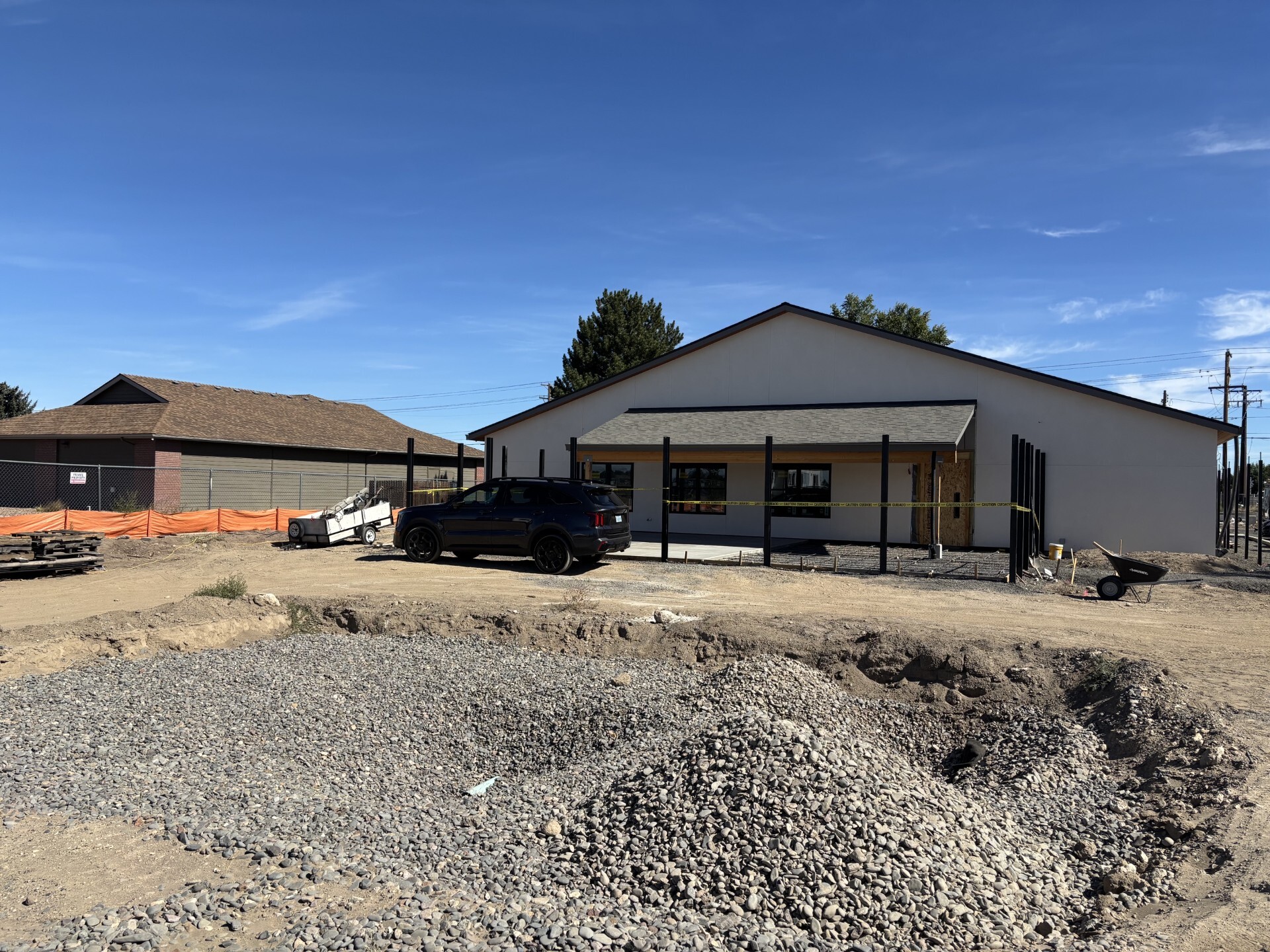
REDMOND, Ore. – Oregon Health Authority (OHA) and community partners broke ground Sept. 29 on a new residential mental health treatment facility that expands access for youth in Central Oregon. The 16‑bed facility, located in Redmond, will provide critical care close to home for youth 12–17 experiencing a behavioral health crisis.
“OHA is proud to support a project that brings critical mental health treatment closer to home for young people and families in Central Oregon,” said Ebony Clarke, OHA behavioral health director. “This facility reflects Oregon’s commitment to building a behavioral health system where youth in our state can receive compassionate care when they need it most.”
Families, behavioral health practitioners, and legislative leaders spoke at the groundbreaking and acknowledged the facility will address long‑standing behavioral health service gaps in the region.
The project is supported in part by $3 million in general fund dollars provided by OHA through House Bill 5024. Additional funding came from the Oregon Department of Administrative Services, Central Oregon Health Council, federal appropriations, and contributions from the facility’s developer, Headwaters Behavioral Health.
This new facility adds 16 beds to Oregon’s existing pool of children’s psychiatric residential treatment beds. Two similar facilities funded through House Bill 5024 are Community Counseling Solutions’ STARS project in Boardman and Madrona Recovery Center in Tigard. Together, these facilities provide 36 children’s psychiatric residential treatment beds. Once the Deschutes County facility opens, the total number of beds available through these facilities will increase to more than 50 statewide.
The need for expanded youth services in Central Oregon was made clear in St. Charles Health System’s July 2024 report, Unmet Mental Health Needs for Youth in Central Oregon, which documented persistent shortages of psychiatric beds, crisis placements, and regional treatment options. The gaps left many young people waiting in emergency departments for extended periods while appropriate care was arranged.
“This facility represents something our community has talked about, hoped for, and worked towards for many years,” said Molly Wells-Darling, senior behavioral health director at St. Charles Health System. “When a young person is in crisis they deserve to have the right care at the right time at the right place, as close to home as possible.”
The new 9,200‑square‑foot facility will provide evidence‑based treatment that includes therapy, medication management, life skills training, and academic support. Youth may stay from 14 days to several months depending on individual treatment needs.
Headwaters Behavioral Health, which received project approval from the City of Redmond, will operate the facility. The organization also runs a youth residential treatment center in Idaho. The new facility anticipates opening in late 2027.
OHA continues to prioritize investments that strengthen Oregon’s behavioral health system and expand youth access to treatment statewide. Learn more about OHA supported programs for children and young adults at https://www.oregon.gov/oha/bh/families/pages/index.aspx
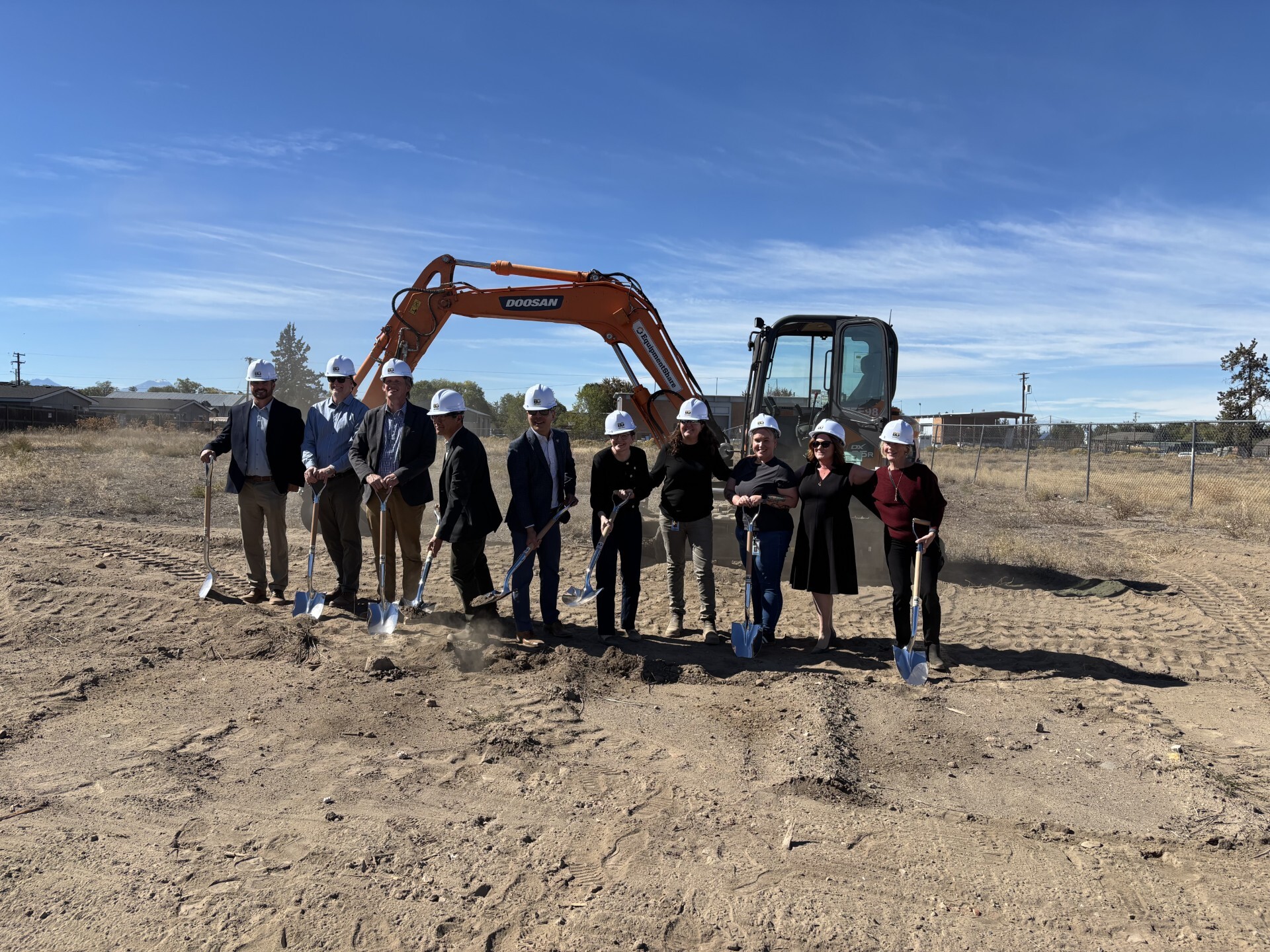
Community leaders, legislators, and advocates gather for a groundbrekaing ceremony at the future site of a 16-bed youth behavioral health facility in Redmond located at 815 NW Canal Blvd. The facility will provide care for young people experiencing behavioral health challenges.
###
Oregon Health Authority - 09/30/26 5:32 PM
September 30, 2026
Media Contact: Jonathan Modie, PHD.Communications@oha.oregon.gov
2026-2027 respiratory virus season begins with increased flu activity
Health officials say now is time for vaccinations
PORTLAND, Ore.—While it may seem early to talk about the fall and winter season, health officials say now is the best time for people in Oregon to get vaccinated against respiratory viruses so they are protected before gathering indoors for holidays and other celebrations.
“I’d like to remind everyone to think about loved ones, friends and neighbors as they plan ahead for the holiday season,” said Dean Sidelinger, M.D., M.S.Ed., of Oregon Health Authority’s Public Health Division. “We are still weeks away from the season’s first holiday, Halloween—which is on a Saturday, I might add—and that’s plenty of time to get vaccinated and start building immunity against these viruses, long before the many parties and events that keep us busy in the fall.”
Sidelinger, OHA’s health officer and state epidemiologist, was among three physicians who spoke today during a media briefing to kick off the 2026-2027 respiratory virus season. Public health officials consider the first week of October to be the unofficial start of respiratory virus season, since influenza and respiratory syncytial virus (RSV) activity typically increase during this period.
A recording of the media briefing is available on OHA’s YouTube channel.
Sidelinger underscored the importance of getting vaccinated now by noting that Oregon has seen an increase in positive flu tests in recent weeks, with percent positivity at 3.2%. He said flu transmission remains low, but “that could change quickly and we are recommending that people in Oregon seek their flu shots soon.”
A summer 2026 surge in COVID-19 activity—a pattern seen annually since 2021—has leveled off, although it’s not clear if the increase has yet peaked. “With elevated COVID-19 spread, it is a great time to update COVID-19 protection,” Sidelinger said.
The physicians also discussed the ongoing measles outbreak during the briefing. Sidelinger emphasized that measles is widespread in Oregon. With 58 cases in the state as of Monday, the state now has the highest number of measles cases in the state since 1991, when we had 93 cases, and since measles was declared eliminated in 2000.
That is a sobering statistic, Sidelinger said, particularly when understanding that 96% of those measles cases were in unvaccinated persons or individuals whose vaccine status was unknown.
The risk of severe disease from measles for people who are vaccinated is very low. Measles spreads rapidly in unvaccinated communities and anyone who is unvaccinated is at risk. For children, two doses of MMR vaccine given after a child’s first birthday are recommended. Adults who do not have records of getting two MMR—or measles—vaccines, can talk to their health care provider about their level of immunity, including whether they would benefit from an MMR vaccine at this time when measles is circulating in Oregon.
Dawn Nolt, M.D., MPH, professor of pediatric infectious diseases at OHSU’s Doernbecher Children’s Hospital, said that while every respiratory virus season brings illness, “we have an opportunity to make the 2026-2027 season less severe for our children, families and communities” by getting vaccinated sooner than later.
“We want our kids to be where they belong: in school, with their friends, with their families, and making memories—not in bed sick or in a hospital,” Nolt said.
Leona O’Keefe, M.D., medical director of clinical services at Jackson Care Connect in Jackson County, recalled once caring for a young father who spent weeks in the intensive care unit and hospital with flu. He was not vaccinated because, like many busy parents, he felt he didn’t have time available in his schedule. “I’ve supported family members through fear and sadness around these preventable diseases,” O’Keefe said.
She added, “I would be devastated if one of my children was harmed by a preventable disease because I chose not to vaccinate them, whereas I would be far more able to face myself if I gave my children incredibly safe vaccines that hold such low risks.”
O’Keefe also noted that prevention can be especially important in rural communities, where families may live far from hospitals or specialists and serious illness can require long travel times and cause additional stress for patients and caregivers.
As the 2026–2027 respiratory virus season begins, Nolt highlighted three recommendations for families:
1. Get vaccinated and keep your family’s vaccines up to date. Vaccines against COVID-19, flu, RSV, and measles can dramatically reduce the risk of serious illness and hospitalization.
2. Take simple steps to reduce the spread of infection. Respiratory viruses spread easily, especially indoors, and measles is extraordinarily contagious. Stay home when you’re sick, wash your hands, cover your coughs and sneezes, and consider masking when respiratory viruses are circulating widely or someone in your household is particularly vulnerable.
3. Know who is most vulnerable and act early. Everyone can get infected, but infants, older adults, and people with certain underlying health conditions are at greater risk of serious complications if they get sick. Know your family’s risks and talk with your health care provider about prevention and what to do if someone becomes sick.
O’Keefe had one more recommendation: Talk to a trusted medical provider.
“I know it can be challenging to get a doctor appointment and fit all your questions in, but whenever possible, talk to a trusted medical provider. If you don’t have a primary care physician, consider calling the assigned primary care physician or nurse advice line on the back of your insurance card. You can also call your local public health department—regardless of insurance—or go to your local pharmacy,” O’Keefe said.
People can get the COVID-19, influenza and RSV vaccines by contacting their health plan, health care provider, county public health clinic or federally qualified health center. They can also call 211 or visit 211info.org.
###
Oregon Health Authority - 09/30/26 3:07 PM
September 30, 2026
Media contact: Erica Heartquist, PHD.Communications@oha.oregon.gov
Recreational use advisory downgraded to a precaution for Prineville Reservoir
Pet owners should continue to keep their pets away from areas that appear to have a bloom
PORTLAND, Ore.—Oregon Health Authority (OHA) has downgraded the recreational use health advisory to a precaution for Prineville Reservoir in Crook County.
OHA issued the advisory July 27.
Water monitoring has confirmed that the level of cyanotoxins in Prineville Reservoir are below recreational guideline values for people. However, levels detected are still above OHA’s educational guideline values for dogs, and owners should keep their pets away from areas with blooms.
OHA advises recreational visitors to continually be alert to signs of cyanobacteria blooms. This is because blooms can develop and disappear on any water body at any time when bloom conditions are favorable. Only a fraction of water bodies in Oregon are monitored for blooms and toxins, so it’s important for people to become familiar with the signs of a bloom, and exposure routes and symptoms by visiting OHA’s Cyanobacteria (Harmful Algae) Blooms website at http://www.healthoregon.org/hab.
When recreating, people, and especially small children, and pets should avoid areas where the water is foamy, scummy, thick like paint, pea-green or blue-green, or if thick brownish-red mats are visible or bright green clumps are suspended in the water. If you see these signs, avoid activities such as swimming or motorized or non-motorized boating activities that cause you to swallow water or inhale droplets, and keep pets out of the area.
Cyanotoxins can still exist in clear water. When a bloom dies, toxins released may reach into clear water around the bloom. Blooms can be pushed into other areas, leaving toxins behind. There also are species of cyanobacteria that anchor themselves at the bottom of a water body, live in the sediment, or can grow on aquatic plants and release toxins into clear water.
For health information or to report an illness, contact OHA at 971-673-0482, or visit OHA’s Cyanobacteria (Harmful Algae) Blooms website.
###
Oregon Health Authority - 09/30/26 11:41 AM
September 30, 2026
Media contacts: Erica Heartquist, PHD.Communications@oha.oregon.gov
Sunset Bay State Park Beach health advisory issued Sept. 30
High bacteria levels prompt OHA recommendation to avoid water contact
PORTLAND, Ore.—Oregon Health Authority (OHA) is issuing a public health advisory today for unsafe levels of fecal bacteria in ocean waters at Sunset Bay State Park Beach in Coos County. People should avoid direct contact with the water in this area until the advisory is lifted.
Unsafe levels of fecal bacteria can cause diarrhea, stomach cramps, skin rashes, upper respiratory infections, and other illnesses. Children, elderly and those with a compromised immune system should use extra caution as they are more vulnerable to illness from waterborne bacteria.
Visitors should avoid wading in nearby creeks, pools of water on the beach, or in discolored water, and stay clear of water runoff flowing into the ocean. Levels of fecal bacteria tend to be higher in these types of water sources.
Unsafe levels of fecal bacteria in ocean waters can come from both shore and inland sources including:
- Stormwater runoff
- Sewer overflows
- Failing septic systems
- Animal waste from livestock, pets and wildlife
Even if there is no advisory in effect, avoid swimming in the ocean within 48 hours after a rainstorm.
Ocean waters will be re-tested after an advisory is issued. Once bacteria levels are at a safe level, OHA will notify the public that the advisory is lifted.
While this advisory is in effect at Sunset Bay State Park Beach, state officials continue to encourage other recreational activities (flying kites, picnicking, playing on the beach, walking, etc.) on this beach because they pose no health risk even during an advisory.
For the most recent information on advisories, visit the Oregon Beach Monitoring Program website at http://www.healthoregon.org/beach or call 971-673-0482, or 877-290-6767 (toll-free).
###
Oregon Health Authority - 09/30/26 9:35 AM
September 30, 2026
Media contact: Jonathan Modie, PHD.Communications@oha.oregon.gov
Reminder: Virtual media briefing on respiratory virus season today at 11 a.m.
PORTLAND, Ore.—Health experts from Oregon Health Authority, Oregon Health & Science University and Jackson Care Connect in Southern Oregon are holding a virtual media briefing at 11 a.m. today to discuss the 2026-2027 respiratory virus season.
Speakers include Dean Sidelinger, M.D., M.S.Ed., health officer and state epidemiologist, OHA Public Health Division; Dawn Nolt, M.D., MPH, professor of pediatric infectious diseases at OHSU’s Doernbecher Children’s Hospital; Leona O’Keefe, M.D., medical director of clinical services at Jackson Care Connect in Jackson County.
They will discuss respiratory virus activity to date and what’s expected during the coming season; recent developments in vaccines; and how people can protect themselves and others from COVID-19, influenza, respiratory syncytial virus (RSV) and measles, especially as the holidays approach.
Interested reporters can join via Zoom at this link. A livestream for the public also is available via YouTube at this link.
###
Oregon Health Authority - 09/29/26 4:56 PM
September 29, 2026
Media contact: Jonathan Modie, PHD.Communications@oha.oregon.gov
Oregon physicians discuss 2026-2027 respiratory virus season at virtual media briefing Wednesday
PORTLAND, Ore. — Physicians from Oregon Health Authority, Oregon Health & Science University and Jackson Care Connect in Southern Oregon will hold a virtual media briefing at 11 a.m. tomorrow – Wednesday, Sept. 30 – to discuss the 2026-2027 respiratory virus season.
Speakers include:
- Dean Sidelinger, M.D., M.S.Ed., health officer and state epidemiologist, OHA Public Health Division
- Dawn Nolt, M.D., MPH, professor of pediatric infectious diseases at OHSU’s Doernbecher Children’s Hospital
- Leona O’Keefe, M.D., medical director of clinical services at Jackson Care Connect in Jackson County
The physicians will discuss respiratory virus activity to date and what’s expected during the coming season; recent developments in vaccines; and how people can protect themselves and others from COVID-19, influenza, respiratory syncytial virus (RSV) and measles, especially as the holidays approach.
Interested reporters can join via Zoom at this link. A livestream for the public also is available via YouTube at this link.
###
Oregon State Marine Board - 10/02/26 10:00 AM
The Oregon State Marine Board invites recreational boaters and others interested in the agency’s work to gather and engage with staff in a city near you. Ten Town Hall meetings are scheduled across the state from mid-October to mid-November. These meetings will give staff and ultimately the Board a better understanding of local boaters’ needs and gather attendee feedback on the agency’s proposed budget and legislative concepts.
The goal is to build stronger connections with local boaters, share what the agency does, and explain how boating dollars are used in communities. Staff will also be there to answer questions about boating safety, agency rules, grants, boating access, titling and registration, outfitter guides, and any environmental concerns.
The Town Hall meeting runs from 4 pm to 7 pm in an open format, so people can come and go as their schedules allow.
| DATE | CITY | LOCATION |
|---|---|---|
| 10/13/2026 | Umatilla | Umatilla Community Center 201 7th St., Umatilla, OR 97881 |
| 10/14/2026 | Ontario | Four Rivers Cultural Center 676 SW 5th Ave, Ontario, OR 97914 |
| 10/15/2026 | Prineville | Central Oregon Community College 510 SE Lynn Blvd, Prineville, OR 97754 |
| 10/26/2026 | Klamath Falls |
Klamath Falls Community College 7390 S 6th St., Klamath Falls, OR 97603 |
| 10/27/2026 | Medford | Rogue Community College 101 S Bartlett St., Medford, OR 97501 |
| 10/28/2026 | Bandon | Bandon Community Center 1200 11th St. SW, Bandon, OR 97411 |
| 11/17/2026 | Tillamook | Port of Tillamook, Main Conference Rm 4000 Blimp Blvd., Suite 100, Tillamook, OR 97141 |
| 12/02/2026 | Scappoose |
Columbia Soil & Water Conservation District 35285 Millard Rd., St. Helens, OR 97051 |
| 12/09/2026 | Wilsonville |
Wilsonville Parks and Recreation Administrative Building, Mount Hood Room, 29600 SW Park Place Wilsonville, OR 97070 |
| 12/10/2026 | Springfield | Bob Keefer Center – Heron Room 250 S. 32nd St, Springfield, OR 97478 |
Visit the Marine Board’s Town Hall page for addresses and links to driving directions.
-End-
Public Information Officer
Oregon State Marine Board
971-707-2396
ashley.massey@boat.oregon.gov
State of Oregon - 10/05/26 10:05 AM
Salem, OR — The Department of Administrative Services (DAS) released the Oregon Agency Expectations: Three-Year Progress Report on Tuesday, showcasing statewide improvements in customer service, performance, coordination, and accountability since Governor Tina Kotek established her agency expectations in 2023.
In January 2023, Governor Tina Kotek issued a letter outlining 11 expectations for how Executive Branch agencies manage employee performance, improve services, modernize systems, plan for the future, and ensure accountability. She also directed DAS to provide the structure, tools, and oversight needed to support agencies in meeting these standards. DAS published the first progress report in June 2023.
Over the past three years, data show that agencies aligned strategic planning with statewide priorities, improved customer service, increased employee engagement, resolved overdue audit findings, and advanced technology and modernization efforts. These efforts have contributed to cost savings and to a more responsive and responsible government. Regular, standardized data collection has created a shared framework for tracking progress, leading to greater accountability across state government and increased transparency for the public.
“State government has a responsibility to work efficiently, effectively, and with accountability to the people we serve,” Governor Tina Kotek said. “When I set these expectations three years ago, I wanted to create a clear standard for how agencies operate and a way to measure their work. But progress is not the finish line – I will continue pushing for a government that delivers better services, uses taxpayer dollars responsibly, and makes it easier for Oregonians to get what they need from their state government.”
Among areas of progress, some examples include:
- Reducing operating costs: Co-locating agencies in state‑owned buildings and reducing reliance on private leases by the Department of Administrative Services have helped shrink Oregon’s office footprint by roughly 782,000 square feet since 2021, an 8% reduction. These changes generate about $12.9 million in annual savings. The Oregon Department of Transportation modernized its 30-year-old heavy truck permit program. Permit processing times dropped from days to minutes, carriers gained 24-hour access, auto-issuance of permits increased from zero to 45%, and call volumes also decreased by 45%. ODOT also eliminated 100,000 pages of paper annually, saving roughly $90,000 each year in materials costs alone, while reducing its environmental impact.
- Removing red tape for businesses: The Department of Revenue redesigned its business registration workflow, dramatically reducing processing times from 30 days to two days. Customer calls decreased by 40% and approved applications increased by 10%. These improvements make it easier for Oregon businesses to open, expand, and operate, strengthening the state’s business climate.
- Measuring audit progress through standardized reporting: Required agencies now report on audit twice per year, giving the Governor’s Office and the public visibility into audit findings and whether recommendations are being implemented. In the March 2026 Oregon Expectations Report, agencies reported 127 audit reports containing information on 787 recommendations. A consistent audit system ensures when problems are identified, agencies have a clear path to address them.
- Making the state of Oregon a more competitive employer: Agencies took an average of 71 days to fill positions in 2023, and the statewide vacancy rate exceeded 14%. That same year, Governor Kotek directed agencies to monitor hiring timelines and maintain an average time to fill under 50 days. The metric starts when a recruitment opens and ends when a job offer is made. By the second quarter of 2026, agencies are exceeding the Governor’s goal for the first time, reducing the average hiring timeline to 49 days.
- Developing new employees and increasing accountability: Partnering with labor unions, the Chief Human Resources Office implemented new statewide guidance for new employee orientation, customer service training, foundational manager training, performance feedback training, and benefits education. By 2026, participation rates in five-of-six categories increased over the rates at first measurement. Accountability improved at all levels, including among agency directors. By 2026, all directors on the job for a year or more completed evaluations known as Director 360s. In 2023, only 29 of 77 directors reported receiving a performance review within a year of service.
- Creating a more engaged, higher performing workforce: The number of engaged state employees increased by 6% to a total of 42% in 2026, outpacing the national average of 31%. The Department of Consumer and Business Services increased its overall engagement score from 3.99 to 4.17, a dramatic increase. In large organizations, raising an aggregate score by 0.1 can represent hundreds of individual mindset shifts and lead to lower turnover rates. The Oregon Department of Human Services reduced turnover from approximately 11% to 8%, including declines among employees of color and first year staff.
- Advancing diversity, equity, inclusion, and belonging: The Construction Contractors Board expanded access for Spanish speaking contractors and consumers. The agency now delivers multiple licensing and continuing education courses in Spanish, helping raise the Spanish exam pass rate from historic levels of about 30% to 56% as of June 2026. The Oregon Water Resources Department (OWRD) has advanced equity through its grant programs, providing more than $2.3 million since 2024 to low and moderate income domestic well users with water supply issues.
- Poised to respond to emergencies and crises: Emergency preparedness across Oregon’s state government has advanced significantly over the last three years. Eighty-eight state agencies have now completed and submitted a Continuity of Operations Plan with the Office of Emergency Management. Only 42 agencies had such a plan in 2023, and many of them lacked sufficient detail.
Read the Oregon Agency Expectations: Three-Year Progress Report on the DAS website.
das.mediarelations@das.oregon.gov
Governor Tina Kotek Press Office
news@govpress.oregon.gov
U.S. Attorney's Office - District of Oregon - 10/05/26 4:37 PM
MEDFORD, Ore.—A Medford, Oregon, man pleaded guilty today to distributing fentanyl and admitted that it caused two people’s deaths.
Richard Scott Samuels, 60, has pleaded guilty to an indictment charging possession with the intent to distribute fentanyl, announced the U.S. Attorney Scott E. Bradford for the District of Oregon.
According to court documents, a death was reported on May 15, 2025, and on August 6, 2025. Both were determined to be deaths due to a fentanyl overdose. Law enforcement investigated these deaths and learned that Samuels was alleged to be the supplier of the fentanyl that both the deceased had used.
On September 4, 2025, law enforcement arrested Samuels and seized from his person and residence, a phone, $5,332 cash, a handgun, and multiple drugs in approximate amounts; 283g fentanyl, 92g of heroin, 5g of meth, and 5g of cocaine.
On November 6, 2025, a federal grand jury in Medford returned an indictment charging Samuels with possession with intent to distribute fentanyl and possession of a firearm in furtherance of a drug trafficking crime.
Samuels faces a maximum sentence of 40 years in prison, a $5,000,000 fine and four years of supervised release. He will be sentenced on December 17, 2026, before a U.S. district court judge.
As part of the plea agreement Samuels has agreed to forfeit any criminally derived proceeds and property used to facilitate his crimes identified by the government prior to sentencing.
This case was investigated by the FBI and Medford Area Drug and Gang Enforcement. It is being prosecuted by AUSA Sara Shaw.
###
U.S. Attorney's Office - District of Oregon - 10/01/26 4:08 PM
Case Is Part of the Homeland Security Task Force Initiative
PORTLAND, Ore.—A Fairview, Oregon, man was sentenced to federal prison today for possession with intent to distribute methamphetamine.
Matthew Moultrie, 41, was sentenced to 10 years in federal prison and 4 years’ supervised release.
“Removing drugs and guns from our streets is vital to protecting Oregon’s communities. When offenders repeatedly threaten public safety, we have a duty to hold them accountable,” said U.S. Attorney Scott E. Bradford for the District of Oregon. “This sentence reflects the serious harm Mr. Moultrie has caused—and the danger he would have continued to pose—to Oregonians.”
“Mr. Moultrie showed a complete disregard for the law by trafficking deadly drugs while armed, despite a prior drug conviction and repeated encounters with law enforcement,” said Robert A. Saccone, Special Agent in Charge, DEA Seattle Field Division. “This sentence holds him accountable and sends a clear message that DEA and our Homeland Security Task Force partners will work tirelessly to protect our communities. Through Fentanyl Free America, we are disrupting the fentanyl supply chain, reducing the availability of synthetic opioids, and saving American lives.”
According to court documents, the investigation began when Drug Enforcement Administration (DEA) agents saw a courier from a Mexican drug trafficking organization (DTO) get in Moultrie’s car for an apparent drug transaction. The agents then stopped and searched Moultrie’s car and found about 220 grams of fentanyl, 65 grams of meth, and a gun.

Later, DEA agents and Multnomah County Sheriff’s Office (MCSO) deputies found Moultrie as he exited a motel room. Moultrie admitted to possessing a handgun and a half-pound of meth. Agents found 386 grams of meth, 5 grams of fentanyl, and two guns in his motel room.


Due to Moultrie’s criminal history, he is a career offender. His criminal history includes drug trafficking and firearms offenses.
On January 7, 2026, Moultrie pled guilty to possession with intent to distribute methamphetamine.
U.S. Attorney Scott E. Bradford for the District of Oregon made the announcement.
This case was investigated by the DEA, Multnomah County Sheriff’s Office, Oregon State Police and Clackamas County Sheriff’s Office. It was prosecuted by Assistant U.S. Attorney Lewis S. Burkhart.
This case is part of the Homeland Security Task Force (HSTF) initiative established by Executive Order 14159, Protecting the American People Against Invasion. The HSTF is a whole-of-government partnership dedicated to eliminating criminal cartels, foreign gangs, transnational criminal organizations, and human smuggling and trafficking rings operating in the United States and abroad. Through historic interagency collaboration, the HSTF directs the full might of United States law enforcement towards identifying, investigating, and prosecuting the full spectrum of crimes committed by these organizations, which have long fueled violence and instability within our borders. In performing this work, the HSTF places special emphasis on investigating and prosecuting those engaged in child trafficking or other crimes involving children. The HSTF further utilizes all available tools to prosecute and remove the most violent criminal aliens from the United States. HSTF Portland comprises agents and officers from FBI, HSI, DEA, USMS, IRS-CI, ATF, USPIS, CBP, TSA, U.S. Coast Guard, Oregon Air, Army National Guard Counterdrug program, and Oregon-Idaho HIDTA with prosecution being led by the United States Attorney’s Office for the District of Oregon.
The Oregon-Idaho HIDTA program is an Office of National Drug Control Policy sponsored counterdrug grant program that coordinates with and provides funding resources to multi-agency drug enforcement initiatives.
# # #
U.S. Attorney's Office - District of Oregon - 10/01/26 1:52 PM
PORTLAND, Ore. — On September 30, 2026, the United States Department of Justice sent grant award notifications, totaling more than $4.6 million, to organizations and cities in Oregon to continue and enhance their work for public safety work in Oregon.
The United States Attorney’s Office wants to congratulate our local partners on their grant awards. The following are the recipients and their award amounts: Liberty House, $1,000,000.00, City of Gresham-East Multnomah Outreach Prevention Intervention, $1,005,000.00, Oregon CASA Network, $1,031,000.00, Oregon Coalition Against Domestic and Sexual Violence Inc., $343,065.00, City of Beaverton-Behavioral Health Court, $500,000.00, and The City of Cottage Grove-Cottage-Grove Police Department $800,000.00.
“I thank these organizations for their work to keep our communities safe and congratulate them on their awards,” said U.S. Attorney Scott E. Bradford for the District of Oregon. “I am thankful the United States Department of Justice continues to support this important work and our partners throughout our Oregon communities.”
These funds come from Byrne Discretionary Community Project Grants/Byrne Discretionary Grants Program and OVW Fiscal Year 2026 State and Territory Domestic Violence and Sexual Assault.
The work that will be funded include increased medical clinic services to children who are victims of abuse or neglect, work to prevent and combat juvenile delinquency, reduce youth involvement in violent crime, and strengthen coordinated public safety efforts for youth and families, behavioral health aimed at curbing recidivism, Court Appointed Special Advocates for children removed from their home due to abuse or neglect, supporting the work to assist survivors of domestic and sexual violence, and police department fleet modernization aimed at restoring community trust, and improving public safety.
# # #
U.S. Attorney's Office - District of Oregon - 09/30/26 9:00 AM
PORTLAND, Ore.—A federal grand jury in Portland returned an indictment charging three Oregon men with conspiracy to commit bank fraud, bank fraud, and conspiracy to commit money laundering.
Cody James VanWinkle aka COUNTUPCODY, 30, Gresham, and Kei-Jian Buckley, 32, Beaverton, had their initial appearances and arraignments today. Bruce Edward Jones, Jr. aka Juice, 30, Eugene, had his initial appearance and arraignment on September 24, 2026.
According to court documents, VanWinkle, Buckley, and Jones stole or obtained stolen checks and altered the payee line and dollar amount so that the check could be deposited by them instead of the intended payee. VanWinkle and Buckley formed an LLC called Pacific Swift Logistics, which was a sham business, to assist in their fraud. VanWinkle, Buckley, and Jones, along with others they recruited, deposited or transferred via wire the fraudulent and forged checks into the accounts controlled by VanWinkle, Buckley, or Jones. VanWinkle, Buckley, Jones, and others they recruited, withdrew, attempted to withdraw, or otherwise transferred the money before the financial institutions were able to flag the deposit as fraud and halt the withdrawals or transfers. When the recruits received money, they provided a portion of the stolen money to VanWinkle, Buckley, and Jones.
At their arraignments, VanWinkle and Buckley pleaded not guilty. Jones previously pleaded not guilty. All defendants are scheduled for trial November 24, 2026.
U.S. Attorney Scott E. Bradford for the District of Oregon made the announcement.
IRS Criminal Investigations are investigating the case. Assistant U.S. Attorney Peter Sax is prosecuting the case.
An indictment is only an accusation of a crime, and a defendant is presumed innocent unless and until proven guilty.
# # #
City of Richland - 10/01/26 2:05 PM
The City of Richland is inviting residents, businesses, and community members to an open house on Wednesday, October 7, to learn about and provide input on the City’s draft Comprehensive Plan and proposed updates to the Development Regulations.
The open house will be held from 6:00 to 8:00 p.m. at the Richland Public Library, 955 Northgate Drive, in the Doris Roberts Gallery.
Attendees can stop by anytime during the two-hour open house to:
Talk with City staff and consultants from AHBL and Transpo Group about the plan and ask questions.
Explore an interactive map showing current and proposed zoning and land use changes throughout Richland.
Learn more about proposed Development Regulation changes, including changes intended to increase available housing options.
Review the draft Comprehensive Plan and learn about the next steps in the adoption process.
Enjoy refreshments while visiting the different information stations.
Richland is nearing completion of a year-long process to update its Comprehensive Plan, which will provide a 20-year framework for local planning, infrastructure policy, and investment through 2046. The City is also updating its Development Regulations, including its zoning and subdivision codes, to meet state requirements and implement the plan.
Community involvement has been an important part of the update process. Since the project began, residents, stakeholders and agencies have provided input through open houses, community surveys, pop-up events, and other outreach opportunities. The Richland Planning Commission has overseen the planning process.
The October 7 open house provides another opportunity for the community to see how the plan is taking shape, understand proposed changes and ask questions before the formal public hearing process begins.
The Planning Commission is expected to hold the first public hearing on the proposed plan and regulations in late October, with adoption of the Comprehensive Plan anticipated in December 2026. An update to the City’s Critical Areas Ordinance is planned for early spring 2027.
Project information, draft documents, meeting dates, and opportunities to provide comments are available at Richlandwa.gov/CompPlan.
Open House
Wednesday, October 7, 2026 | 6:00–8:00 p.m.
Richland Public Library – Doris Roberts Gallery
955 Northgate Drive, Richland
Eastern Oregon University - 10/01/26 2:25 PM
Eastern Oregon University (EOU) is growing in key parts of its student body. Graduate enrollment measured in the fall term rose about 50% between 2023 and 2025, and early fall numbers show continued growth. On-campus enrollment rose 7.5% over the same period. The number of rural students grew 24% from 2024 to 2025. More students are also earning their degrees. EOU's four-year graduation rate increased 7%.
Read the full story at https://www.eou.edu/news/eou-sees-more-students-finishing-degrees-plans-for-more-success/
Justin Montgomery
Director of Marketing
Phone: 971-272-7646
E-mail: jmontgomery4@eou.edu
WSU Tri-Cities - 10/05/26 3:14 PM
RICHLAND, WA – Washington State University Tri-Cities’ Cougar Tracks program is launching a practical workshop for small business professionals to learn how to use AI safely, ethically and competitively. AI Readiness for Small Business takes place from 8:30 to 11:30 a.m. Oct. 27 on the WSU Tri-Cities campus in the Elson S. Floyd Building, Room 145.
The three-hour, in-person session will provide hands-on training in identifying what customer, financial and business information is safe to put into AI tools. Participants will also build a one-page AI policy for their team and develop an AI action plan to help their business adapt and stay ahead of competitors.
Cougar Tracks Director Michelle Hrycauk Nassif emphasized the program’s role in helping local, small businesses move forward with confidence instead of confusion.
“AI is moving faster than most small business owners can track,” Hrycauk Nassif said. “This workshop cuts through the noise, showing Tri-Cities small business owners, managers and professionals exactly what is changing, what it means for their business and how they can adapt.”
Led by AI governance and strategy expert Neelam Chahlia, senior technical program manager in the cybersecurity team at T-Mobile, the workshop is designed to equip local professionals with the skills to harness artificial intelligence responsibly and effectively in their industries.
Chahlia views AI literacy as a core competency for the modern business owner.
“AI is no longer a future skill; it’s a now skill. The professionals and organizations who learn to integrate AI strategically and ethically will be the ones driving innovation in the coming decade,” Chahlia said. “My goal is to empower participants to not only understand the technology but to apply it in ways that create value, safeguard data and uphold the highest professional standards.”
The AI Readiness for Small Business workshop is open to business owners and managers across sectors, including retail, services and non-profits. The cost to attend is $99 and includes access to WSU computers for barrier-free learning. Register to attend at bit.ly/CTWORKSHOPS.
###
About Cougar Tracks
Cougar Tracks, the continuing education and workforce training division of WSU Tri-Cities, develops responsive, industry-informed programs that strengthen the regional workforce and drive economic vitality. From leadership development to technical certifications, Cougar Tracks partners with industry to design targeted solutions for evolving business needs.
Walla Walla Sch. Dist. - 10/02/26 10:46 AM
Supporting documents are available via the following link: https://meetings.boardbook.org/Public/Organization/997
Board of Directors Meeting Schedule & Information: https://www.wwps.org/district/information/school-board/board-meeting-schedule
Walla Walla Public Schools
Executive Assistant to the
Superintendent of Schools
509-526-6715
vesparza@wwps.org
High Desert Museum - 09/29/26 9:29 AM
$50,000 Cash Prize Awarded to Dedicated Solution-Makers in the American West
BEND, Ore. — The High Desert Museum is now accepting nominations for the 2027 Jordan Schnitzer Prize of the West (the Prize), an award that celebrates and honors uncommon collaboration and innovation in solving the legacy challenges of the American West. Launched in partnership with Jordan D. Schnitzer and the Harold & Arlene Schnitzer CARE Foundation, nominations will be accepted on the High Desert Museum’s website through Dec. 31, 2026. For more information on the Jordan Schnitzer Prize of the West, nomination eligibility, and selection process, visit highdesertmuseum.org/schnitzer-prize.
In a moment when the American West is confronting unprecedented ecological challenges, the Prize seeks to highlight innovative responses to urgent issues such as water scarcity, wildfire, tribal sovereignty, land stewardship, ecosystem change, best ranching practices and more—offering models that can be replicated in other areas of the country facing similar pressures.
“The Prize celebrates and honors those leaders who are working collaboratively on these complex issues to demonstrate how to work toward the common good,” said Jordan D. Schnitzer, president of Schnitzer Properties and the Harold & Arlene Schnitzer CARE Foundation. “Inspired by these leaders’ determination, we will continue to award and recognize their tireless work to create solutions that benefit everyone while preserving and enhancing the remarkable Western United States.”
Now in its second year, the $50,000 prize is awarded annually to an individual or a small group of individuals whose work addresses the environmental and conservation challenges of the American West, with a particular focus on innovation, impact, and collaboration. In addition to the $50,000 cash prize, the winner will receive a piece of original artwork during an award ceremony in Portland, Oregon.
Brad Parry, vice chairman of the Northwestern Band of the Shoshone Nation, was awarded the inaugural prize for his leadership and collaborative work in transforming the site of the 1863 Bear River Massacre in Preston, Idaho, into a place of ecological and cultural healing. As the leader of the Wuda Ogwa Cultural and Land Restoration Project, Parry is recognized for having built one of the most collaborative models of watershed restoration in the American West while successfully restoring the land to its natural state.
An esteemed panel of 13 advisors with deep backgrounds in tribal leadership, ranching and farming, water policy and river restoration, and prominent academic centers focused on the American West selected Parry's nomination.
The Prize advisers also recognized four esteemed finalists in 2026:
- Amy Bowers Cordalis
- Kelley Delpit
- Julie Rentner
- Laura Van Riper
Applications and nominations for the Prize will be evaluated by an esteemed panel of advisers composed of former tribal leaders, ranchers and farmers, water policy and river restoration practitioners, a poet laureate and renowned historian, directors of prominent academic centers that focus on the study of the American West, and more.
“The Jordan Schnitzer Prize of the West is an exceedingly timely and relevant effort to shine a light on the innovators, collaborators and visionaries among us,” said Dana Whitelaw, executive director of the High Desert Museum. “Their work demonstrates that we can look toward our future together even as we consider the economic and ecological challenges before us.”
Since 1982, the High Desert Museum has been dedicated to sharing the stories of the American West through wildlife, art, cultures, history, and interdisciplinary experiences, creating a shared connection and dialogue among its community.
ABOUT JORDAN D. SCHNITZER AND THE HAROLD & ARLENE SCHNITZER CARE FOUNDATION
Jordan Schnitzer has a vibrant legacy supporting the High Desert Museum. He is the visionary and sponsor of the Schnitzer Prize of the West. Through the Harold & Arlene Schnitzer CARE Foundation, Schnitzer carries on the legacy of his late parents and their belief that “to whom much is given, much is expected.” Headquartered in Portland, Oregon, the CARE Foundation and its leaders have given over $300 million to fund hundreds of nonprofit projects that touch lives and enrich communities.
Schnitzer is also a prominent West Coast businessman. He is President and CEO of Schnitzer Properties, one of the West Coast’s Top 10 private real estate owners with offices in six Western states. Schnitzer is also an ARTnews Top 200 Art Collector globally and shares his vast contemporary art collections at no charge to museums and institutions and supports accompanying programming, educational opportunities and publications.
ABOUT THE MUSEUM
The HIGH DESERT MUSEUM opened in Bend, Oregon in 1982. It brings together wildlife, cultures, art, history and the natural world to convey the wonder of North America’s High Desert. The Museum is a 501(c)3 nonprofit organization accredited by the American Alliance of Museums and the Association of Zoos & Aquariums, is a Smithsonian Affiliate, was the 2025 recipient of the Autry Public History Prize from the Western History Association and was a 2021 recipient of the National Medal for Museum and Library Service. To learn more, visit highdesertmuseum.org and follow us on TikTok, Facebook and Instagram.
###
541-382-4754 ext. 166
mwood@highdesertmuseum.org
Oregon Freedom Amendment - 09/30/26 1:22 PM
FOR IMMEDIATE RELEASE
September 30, 2026
Contact: Kari Goodheart, Chief Petitioner
Initiative Petition 2028-025 — Oregon Freedom Amendment
www.oregonfreedomamendment.org
Chief Petitioner Will Not Appeal Certified Ballot Title; Campaign Turns to Funding and Circulation
SALEM, Ore. — The Attorney General certified a ballot title for Initiative Petition 2028-025, the Oregon Freedom Amendment, on September 25, 2026. Electors have until October 9 to petition the Oregon Supreme Court for review of that title. Chief Petitioner Kari Goodheart will not file an appeal.
“The fight over wording is not worth the cost — in money, in time, or in the energy this campaign needs for the work that actually puts a measure in front of voters,” Goodheart said. “The real battle is funding this petition and printing the resources volunteers need to collect signatures.”
The certified summary tells voters the measure’s “effect on current law is unclear.” That line is the core omission. Oregon’s highest court has already said what current law is.
In State v. Pulos, 64 Or. 92, 95 (1913), language the Oregon Supreme Court has repeated since, the Court wrote that “no person has an absolute property right in game or fish while in a state of nature and at large; … the taking of them is not a right, but is a privilege, which may be restricted, prohibited, or conditioned, as the law-making power may see fit.” Title to wildlife is held by the state in its sovereign capacity, in trust for the people — not as an individual right belonging to Oregonians themselves. Today the legislature can ban or severely restrict hunting without surviving heightened constitutional review.
The Freedom Amendment would change that legal category. It would give the people of Oregon an individual, fundamental right to hunt, fish, trap, farm, ranch, raise livestock, cultivate crops, harvest natural resources, and engage in generally accepted practices of agriculture, animal husbandry, and scientifically based wildlife management. It would constrain how the state may regulate those rights. Regulations would have to be reasonable and necessary — narrowly tailored to conservation, public safety, or the protection of public health and property rights, and consistent with sustainable, science-based practices.
The measure would not abolish seasons, tags, hunter education, or trespass laws. The change is the legal floor: hunting and the other listed activities would be protected rights the state must justify restricting, instead of privileges the state may withhold. Courts would treat them more like other enumerated individual rights than like a license. That is a solid constitutional defense for the people’s rights in Oregon — not an uncertain one.
Goodheart submitted detailed comments during the public-comment period. Those objections are on the record. She will not spend the campaign’s limited resources litigating a title that still leaves voters with the impression that the legal effect of a constitutional right is a mystery.
Supporters who want this measure on the November 7, 2028 ballot are asked to help with funding and printing so signature gathering can move forward as soon as circulation is authorized.
Donate and volunteer: www.oregonfreedomamendment.org
Oregon Lions Sight & Hearing Foundation - 09/30/26 2:34 PM
Oregon Lions Sight & Hearing Foundation launches Back-to-School Campaign, calling on businesses, Lions Clubs and community members to help expand access to student vision screenings
PORTLAND, Ore. The Oregon Lions Sight & Hearing Foundation (OLSHF) is calling on communities across the state to help ensure Oregon students have access to vision screenings through its 2026-27 Back-to-School Campaign: Sponsor a Screening.
Each year, OLSHF's School Vision Screening program works with schools, Lions Clubs, volunteers and community partners to screen more than 200,000 Oregon students. The program is projected to conduct more than 900 on-site screenings this year, with approximately 19% of students screened referred for additional vision care.
That means tens of thousands of Oregon students may be identified with a potential vision concern this school year.
"Children don't always know that what they're seeing isn't normal," said Doug Thompson, CEO of the Oregon Lions Sight & Hearing Foundation. "A vision screening can help identify a concern that might otherwise go unnoticed. Our goal is to reach as many Oregon students as possible, and accomplishing that takes communities coming together."
The Oregon Department of Education provides reimbursement of up to $4 per student for eligible vision screenings, and OLSHF is an approved vision screening provider for Oregon schools. However, providing screenings statewide requires additional resources for equipment, staffing, volunteer coordination and screening operations.
Through the Back-to-School Campaign, OLSHF is asking businesses, Lions Clubs, community organizations and individuals throughout Oregon to help Sponsor a Screening.
A contribution of $500 or more can help fund a complete vision screening for students in a local school district, while donations of any amount help OLSHF expand access to screenings across the state. Sponsors may also receive recognition through campaign materials, social media, event promotions and other opportunities.
For businesses looking for a hands-on way to give back, OLSHF also welcomes community groups interested in volunteering alongside screening teams when opportunities are available.
A Statewide Effort With a Local Impact
Vision concerns can affect a child's ability to read, participate in the classroom and succeed academically. Oregon Department of Education guidance notes that vision needs can go undetected without screening programs and potentially interfere with learning and other aspects of a student's development.
OLSHF's goal is simple: help provide vision screenings for every student in Oregon and connect students who may have a vision concern with appropriate follow-up resources.
The Foundation is especially encouraging Lions Clubs across Oregon to participate by sponsoring screenings directly or connecting OLSHF with businesses and organizations in their own communities.
A local business can help students in the community where its employees and customers live. A Lions Club can rally its community behind its local schools. An individual donation can help OLSHF reach another classroom of students.
Every contribution moves Oregon closer to reaching more children.
Oregon, Help Us Sponsor the Next Screening
Businesses, Lions Clubs, organizations and individuals interested in joining the campaign can learn more, sponsor a screening or make a contribution at:
olshf.org/backtoschool
Organizations interested in sponsorship recognition or additional information may contact keting@olshf.org">marketing@olshf.org.
"Whether you're a statewide company, a neighborhood business, a Lions Club or simply someone who believes Oregon students deserve the opportunity to succeed, there is a place for you in this campaign," said Thompson. "Together, we can reach more students, identify more vision concerns early and help more children enter the classroom ready to learn."
About the Oregon Lions Sight & Hearing Foundation
Since 1959, the Oregon Lions Sight & Hearing Foundation has worked in partnership with Lions Clubs to provide sight and hearing assistance to communities throughout Oregon and Northern California. OLSHF's mission is to Screen, Treat, Save, and Restore sight and hearing in partnership with Lions Clubs. The Foundation serves more than 200,000 children and adults annually through programs including School Vision Screening, hearing assistance, eyeglass assistance, children's low vision services and access to medical treatment.
Oregon Lions Sight & Hearing Foundation
marketing@olshf.org or kate@olshf.org
503-413-7399
olshf.org/backtoschool
Travel Pendleton - 10/02/26 9:51 AM
A new destination event celebrating the intersection of Indigenous and Western culture through fashion, art, and food will debut in Pendleton, Oregon, October 15–17. Interwoven: Where Cultures Meet, organized by Travel Pendleton, invites visitors to experience the people, makers, designers, artists, flavors, and stories that shape this corner of Eastern Oregon.
At the heart of Interwoven is the Interwoven Market, featuring 70 booths and artists representing more than 30 Indigenous Nations. Guests can shop, meet makers, watch demonstrations, participate in hands-on activities, and discover the creative work behind the event’s fashion collections.
Fashion takes center stage throughout the weekend, including shows featuring eight Unresidency designers who have spent six months developing collections inspired by their individual creative practices and connections to place. The weekend culminates with The Rodeo of Runway, a one-of-a-kind fashion show on horseback at the Blue Mountain Equine Center.
Food is woven throughout the experience with events held at Electric Sundown. The Taste of Umatilla County invites guests to sample pairings featuring local foods, First Foods, and regional libations. At Fashion Bites, eight chefs representing Indigenous culinary traditions, James Beard-recognized talent, and the vibrant Pendleton food scene will be paired with the Undresidency fashion designers to create small plates inspired by their runway collections. Together, the chefs and designers will explore the connections between place, ingredients, culture, and creative expression.
Community creativity will also take center stage through art activations and collaborative projects, including two community-designed pieces that will make their runway debut Saturday night. Created entirely at the Interwoven Market, the pieces will become a highly visible representation of collective creativity.
When the sun goes down, Interwoven becomes Unwoven. In partnership with VYBE, the after-hours experience transforms Electric Sundown into a lounge and nightlife destination, giving guests a chance to gather, unwind, and experience Pendleton after dark.
Organized by Travel Pendleton, Interwoven continues the story of culture at the heart of Pendleton’s community told through fashion, art, food, creativity, and connection.
Interwoven: Where Cultures Meet takes place October 15–17, 2026, in Pendleton, Oregon. Tickets, event information, and the full list of participating artists and designers are available at www.interwovenoregon.com.
This project is funded in part by a grant from Travel Oregon.
541-276-7411
director@ travelpendleton.com
Attached Media Files: Interwoven1.png , Interwoven2.png , ChefAlexa.jpg , DorothyCyr.jpg , mia.jpg , StaplemansBoots.jpg , Untitled3.png